
Walmart halts H-1B hiring following Trump’s $100,000 visa fee

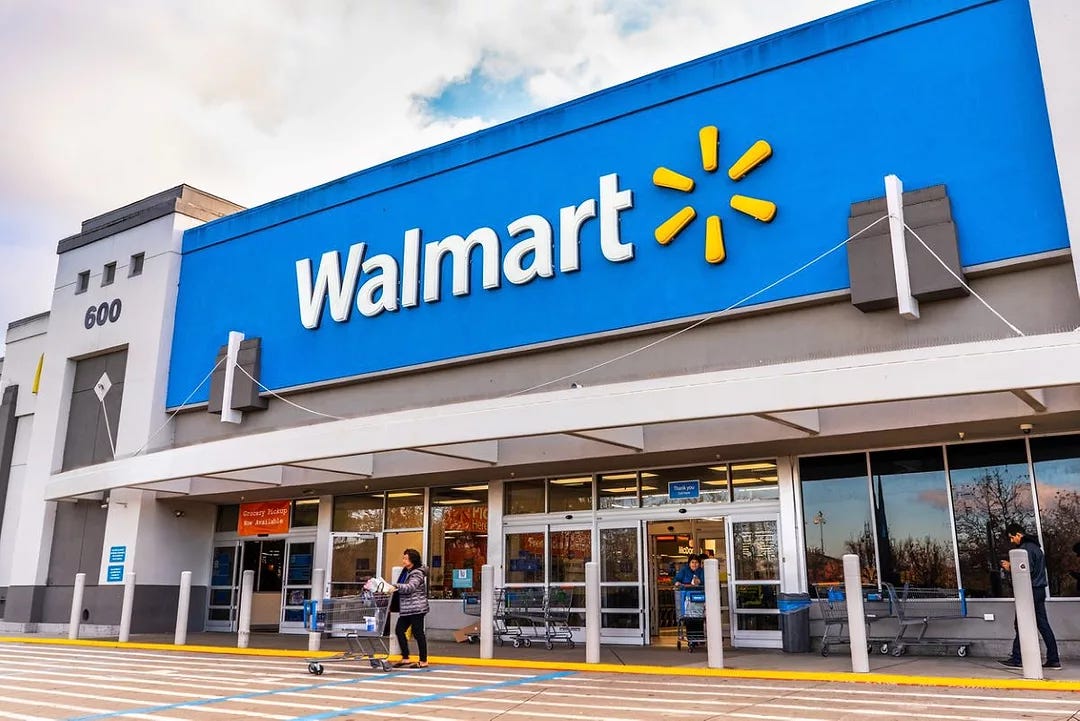
Walmart Inc., the largest private employer in the United States, has paused job offers to candidates requiring H-1B visas in response to a new $100,000 fee imposed by the Trump administration, marking a significant shift in the retail giant’s hiring practices.
The decision, first reported by Bloomberg and confirmed by company representatives, primarily affects corporate-level positions and comes just weeks after President Donald Trump signed an executive order on September 19, 2025, establishing the unprecedented fee for new H-1B visa applications.
Impact on Walmart’s workforce
According to U.S. government data, Walmart currently employs approximately 2,390 H-1B visa holders, making it the top user of the visa program among major retail chains. However, this represents only a small fraction of the company’s total U.S. workforce of approximately 1.6 million employees.
A Walmart spokesperson stated: “Walmart is committed to hiring and investing in the best talent to serve our customers, while remaining thoughtful about our H-1B hiring approach”.
The new policy
The $100,000 fee, which took effect at 12:01 a.m. Eastern Daylight Time on September 21, 2025, applies to new H-1B petitions for applicants outside the United States who do not possess a valid H-1B visa. The administration has defended the measure as necessary to prevent what it describes as “systemic abuse” of the H-1B program and to protect American workers.
“We require exceptional workers, and this essentially guarantees that’s what will occur,” Trump stated from the Oval Office.
Commerce Secretary Howard Lutnick added: “If you’re going to train someone, you should train a recent graduate from one of our nation’s esteemed universities. Let’s train Americans and refrain from bringing in individuals to take our jobs”.
The White House has clarified that the fee is a one-time charge per petition and does not apply to existing H-1B visa holders or those who submitted applications before September 21, 2025.
Industry-wide implications
While Walmart’s H-1B numbers are significant for the retail sector, technology companies remain the program’s largest beneficiaries. Amazon led all employers with more than 10,000 H-1B visa approvals in 2025, followed by Microsoft, Meta, Apple, and Google, each obtaining more than 4,000 visas.
The new fee structure has prompted widespread concern across industries that depend on skilled foreign workers. Experts warn the policy could accelerate outsourcing to other countries and harm U.S. competitiveness.
Nicole Sahin, founder and CEO of Globalization Partners, told Business Insider that her company has seen more inquiries than usual since the fee hike, with approximately 25% of tech companies already outsourcing work for competitive advantage.
Legal challenges mount
The U.S. Chamber of Commerce filed a lawsuit on October 16, 2025, seeking to block the fee, calling it “plainly unlawful” and arguing it violates federal immigration law. The lawsuit marks the influential business group’s first legal challenge to the Trump administration’s second term.
“The new $100,000 visa fee will make it cost-prohibitive for U.S. employers, especially start-ups and small and midsize businesses, to utilize the H-1B program, which was created by Congress expressly to ensure that American businesses of all sizes can access the global talent they need to grow their operations here in the U.S.,” said Neil Bradley, executive vice president of the Chamber.
A separate lawsuit was filed on October 3, 2025, by a coalition of unions, employers, and religious groups challenging President Trump’s constitutional authority to impose the fee. Legal experts have questioned whether the president has the authority to unilaterally impose such fees, noting that federal immigration law permits U.S. Citizenship and Immigration Services to collect fees only to cover administrative costs.
Impact on Indian workers and students
The policy particularly affects skilled workers from India, who represented approximately 71% of approved H-1B visas in the previous year, followed by Chinese nationals at 11.7%. India’s National Association of Software and Service Companies (NASSCOM) warned that the order “could have ripple effects on America’s tech ecosystem and broader job market”.
For Indian tech giant Tata Consultancy Services, which received over 5,500 H-1B approvals, the new fee could translate to potential costs exceeding $550 million annually.
Broader economic concerns
Beyond large corporations, the fee threatens rural communities that rely on H-1B visa holders to staff hospitals and schools. Some groups are now seeking exemptions from the Trump administration for healthcare professionals and K-12 educators, warning that the fee will prove insurmountable for institutions in underserved areas.
Employers currently pay between $2,000 and $5,000 in H-1B visa fees, depending on company size and other factors. The dramatic increase to $100,000 represents a fee hike of approximately 2,000% to 5,000%.
The Chamber of Commerce warned in its lawsuit: “These harms to American businesses will also be a boon to America’s economic rivals, who will surely welcome the talent no longer able to accept work in the United States. That is a competitive edge that foreign employers might never cede back”.