
Vance says trip to Israel is not to 'monitor a toddler'

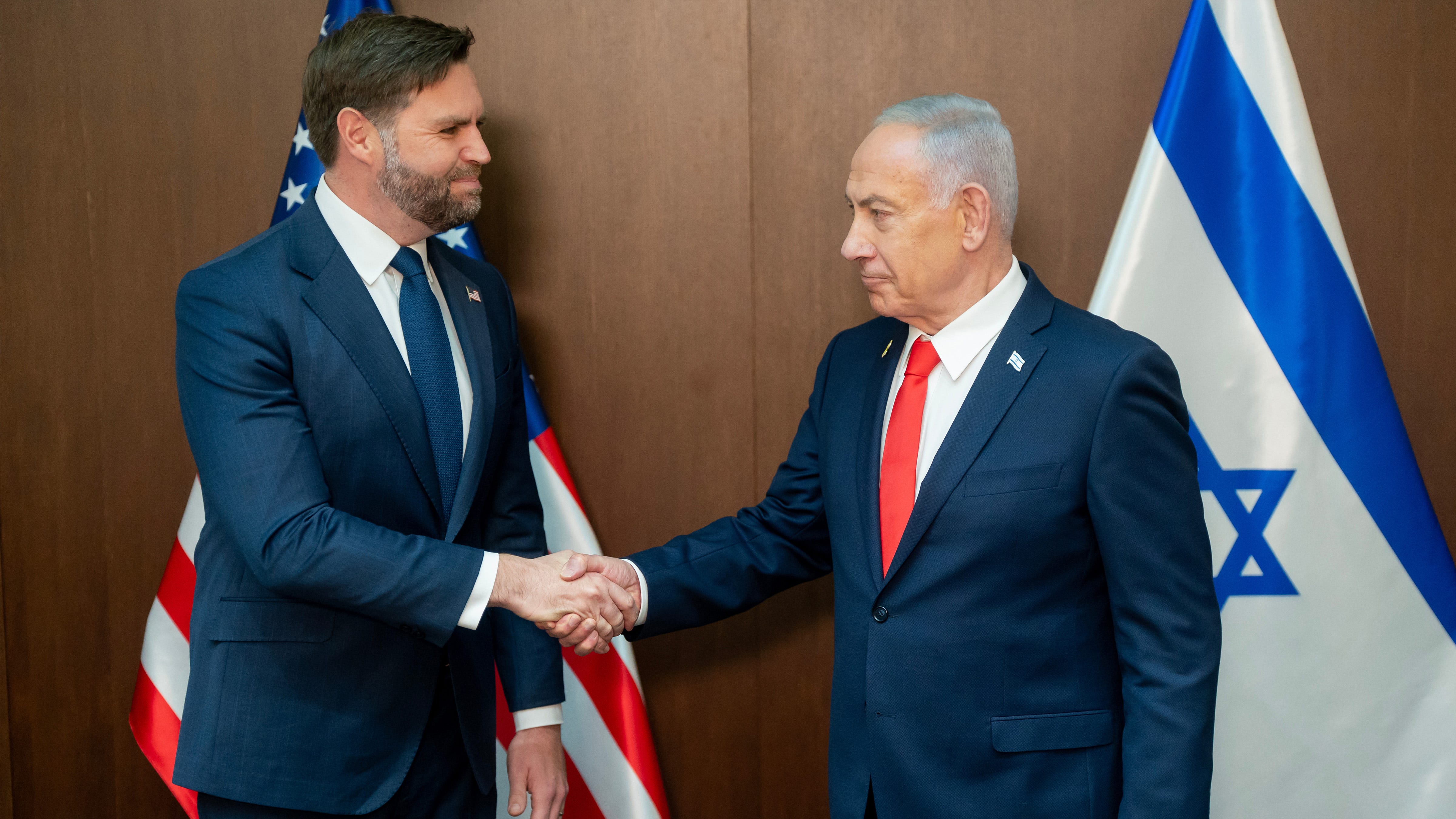
Vice President JD Vance pushed back against perceptions of American micromanagement during his Wednesday meeting with Israeli Prime Minister Benjamin Netanyahu in Jerusalem, stating he was not in Israel to monitor the fragile Gaza ceasefire “like a toddler” as the Trump administration works to advance a peace plan with numerous unresolved questions.
The vice president’s comments came amid reports that some Trump administration officials have privately described their intensive diplomatic efforts as “Bibysitting”—a reference to Netanyahu’s nickname—reflecting concerns that the Israeli leader could abandon the 12-day-old truce. Multiple senior U.S. officials, speaking anonymously, acknowledged there was concern Netanyahu might walk away from the deal entirely and resume full-scale military operations against Hamas.
Unresolved governance questions
While both leaders expressed optimism about the ceasefire’s prospects, Vance acknowledged on Wednesday that implementing subsequent phases would prove difficult, with several fundamental issues still lacking solutions. Chief among these challenges is persuading Hamas to disarm—a central Israeli and American demand that Hamas views as equivalent to surrender.
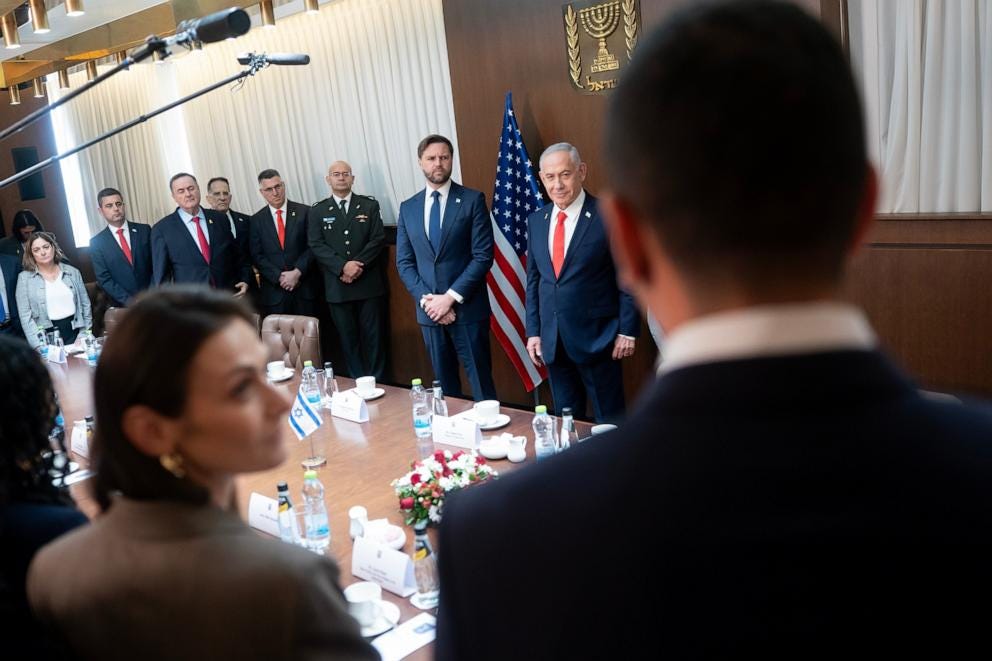
When pressed on Tuesday about how officials would ensure Hamas disarmament or provide a timeline for when this must occur, Vance declined to offer specifics. On Wednesday, he simply stated, “We’re going to keep working on it”.
The question of postwar governance remains equally contentious. Netanyahu has repeatedly rejected allowing the Palestinian Authority, which administers parts of the Israeli-occupied West Bank, to control Gaza after the conflict. However, Israeli security officials have reportedly told American counterparts that Washington views the Palestinian Authority as essential to the plan’s success and sees no viable alternative to eventual Palestinian Authority involvement.
On Wednesday, Palestinian Authority Vice President Hussein al-Sheikh and intelligence chief Majed Faraj traveled to Cairo for consultations with Egyptian officials regarding developments following the ceasefire. The visit signals ongoing regional diplomacy around Gaza’s future governance structure, though the substance of these discussions has not been publicly disclosed.
Netanyahu’s red lines
According to Israeli media reports, Netanyahu has outlined several non-negotiable positions to American officials in recent days. These include absolute opposition to any Turkish military presence in Gaza, rejection of both Hamas and Palestinian Authority governance roles “the day after” the war, and insistence that full Israeli military withdrawal can only occur after Hamas is completely disarmed and Gaza is demilitarized.
These red lines present potential conflicts with American objectives. Trump administration officials view Turkey as essential to the peace plan’s success, particularly for the proposed International Stabilization Force that would train Palestinian police. Relations between NATO ally Turkey and Israel have deteriorated sharply during the Gaza conflict, with Turkish President Recep Tayyip Erdoğan vocally condemning Israeli military actions across the region.
During his Tuesday arrival in Israel, Vance suggested Turkey could play a “constructive role” in the ceasefire’s next phase. However, Netanyahu appeared to reject this possibility on Wednesday, emphasizing partnerships with “Gulf Arab allies” instead.
Regional diplomatic push
The vice president indicated the Trump administration views the Gaza peace plan as a foundation for broader regional ambitions, including expansion of the Abraham Accords that established diplomatic relations between Israel and several Arab nations during Trump’s first term. Vance described the ultimate goal as reaching a point where the United States can “care less about the Middle East because our allies in the region are stepping up and taking control and taking ownership of their area of the world”.
To advance this vision, Trump’s envoys Steve Witkoff and Jared Kushner departed Israel late Tuesday for Riyadh, where they met with senior Saudi officials to rally support for the ceasefire deal. The envoys then continued Wednesday to Abu Dhabi for meetings with Emirati officials aimed at mobilizing financial, military, and diplomatic backing from Arab states.
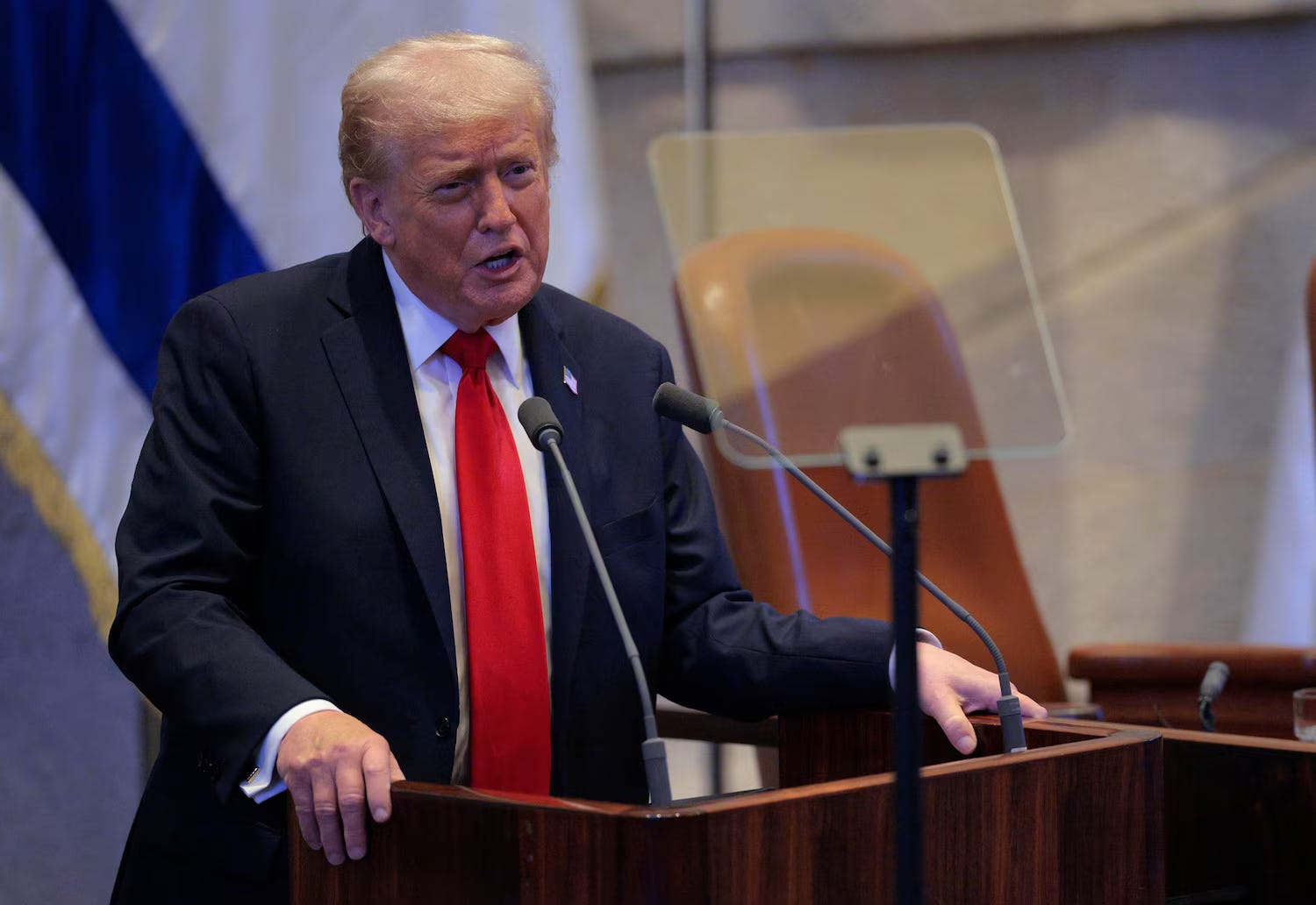
Vance’s visit follows President Trump’s trip to Israel one week earlier and marks the third high-level American visit in recent weeks. Secretary of State Marco Rubio is scheduled to arrive on Thursday and meet with Netanyahu on Friday, representing his fourth visit to Israel since taking office in January.
Despite the flurry of diplomatic activity, fundamental questions about how to implement Trump’s 20-point peace plan remain unanswered. A source close to Trump told Israeli media that the president is pleased “the United States has so far managed to keep both sides in line,” referring to Israel and Hamas. However, with mounting ceasefire violations and unresolved structural issues, the truce’s long-term viability remains uncertain.