
Trump moves to label Muslim Brotherhood a terrorist group

President Donald Trump says his administration is moving to designate the Muslim Brotherhood as a Foreign Terrorist Organization (FTO), a major shift in longstanding U.S. policy toward the transnational Islamist movement. The announcement comes amid mounting Republican pressure and parallel moves by Texas authorities to target organizations they allege are linked to the group.
What Trump announced
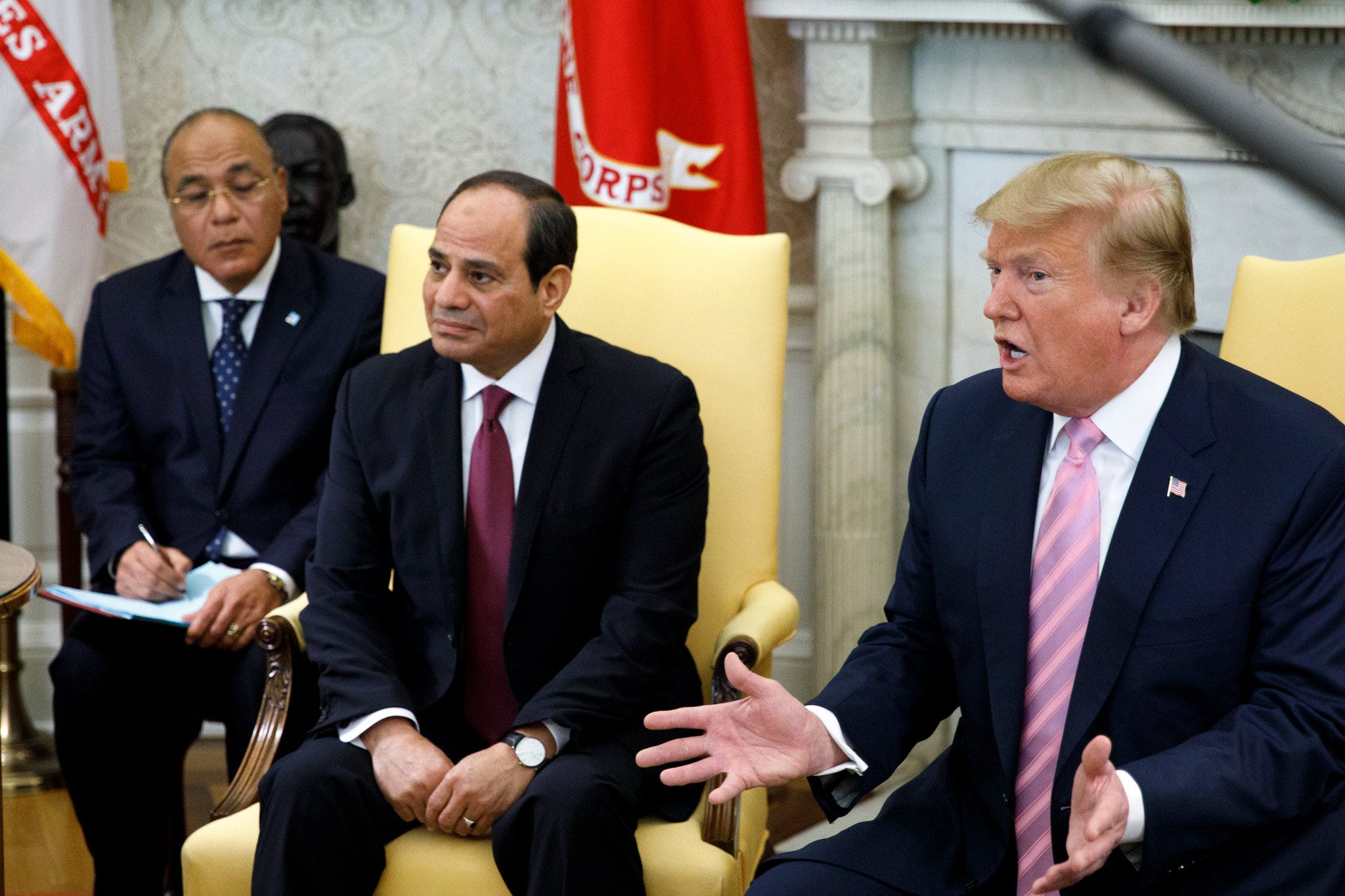
Trump told the conservative outlet Just the News (bias check ↗) on Sunday that he will designate the Muslim Brotherhood as a foreign terrorist organization, saying the move will be carried out “in the strongest and most powerful terms,” and that final documents are being prepared. The White House has explored such a designation intermittently for years, but previous administrations have stopped short due to legal, diplomatic, and national security concerns.
Republican lawmakers revived legislation in July to push for the designation, and Secretary of State Marco Rubio said in August that the step was “in the works,” signaling that the State Department and National Security Council had restarted formal reviews. Several conservative media outlets and advocacy groups have framed the Muslim Brotherhood as the ideological backbone of a global Islamist threat and urged the administration to act.
State-level actions in Texas
Trump’s announcement follows an aggressive move last week by Texas Governor Greg Abbott, who declared both the Muslim Brotherhood and the Council on American‑Islamic Relations (CAIR) terrorist organizations at the state level. Abbott also ordered investigations into alleged “sharia courts” in Texas, a decision that Muslim civil‑rights advocates describe as discriminatory and unsupported by evidence of parallel judicial systems.
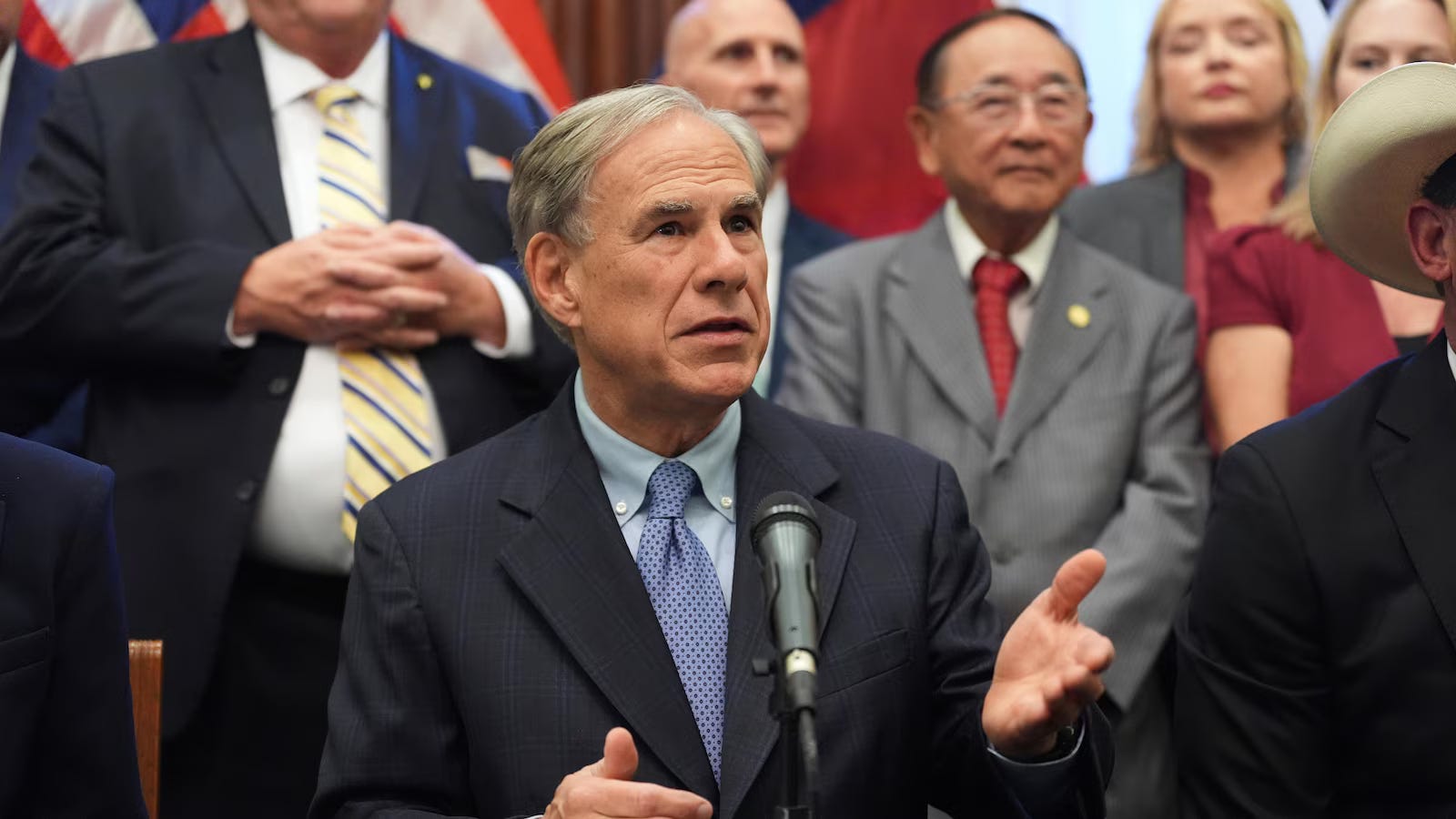
In response, a coalition of U.S. Muslim organizations has filed a federal lawsuit against Abbott and Texas Attorney General Ken Paxton, arguing that the state designations violate constitutional protections of religious freedom and association. The litigation could become an early test of how courts treat government efforts to tie domestic Muslim organizations to the Brotherhood in the absence of a federal terrorism designation.
How other governments treat the Brotherhood
Founded in Egypt in 1928, the Muslim Brotherhood is one of the most influential Islamist movements in the Middle East, combining religious outreach, social services, and political activity. The group has long said it supports peaceful political participation and electoral democracy, but many regional governments view it as a destabilizing force that challenges authoritarian rule and entrenched elites.
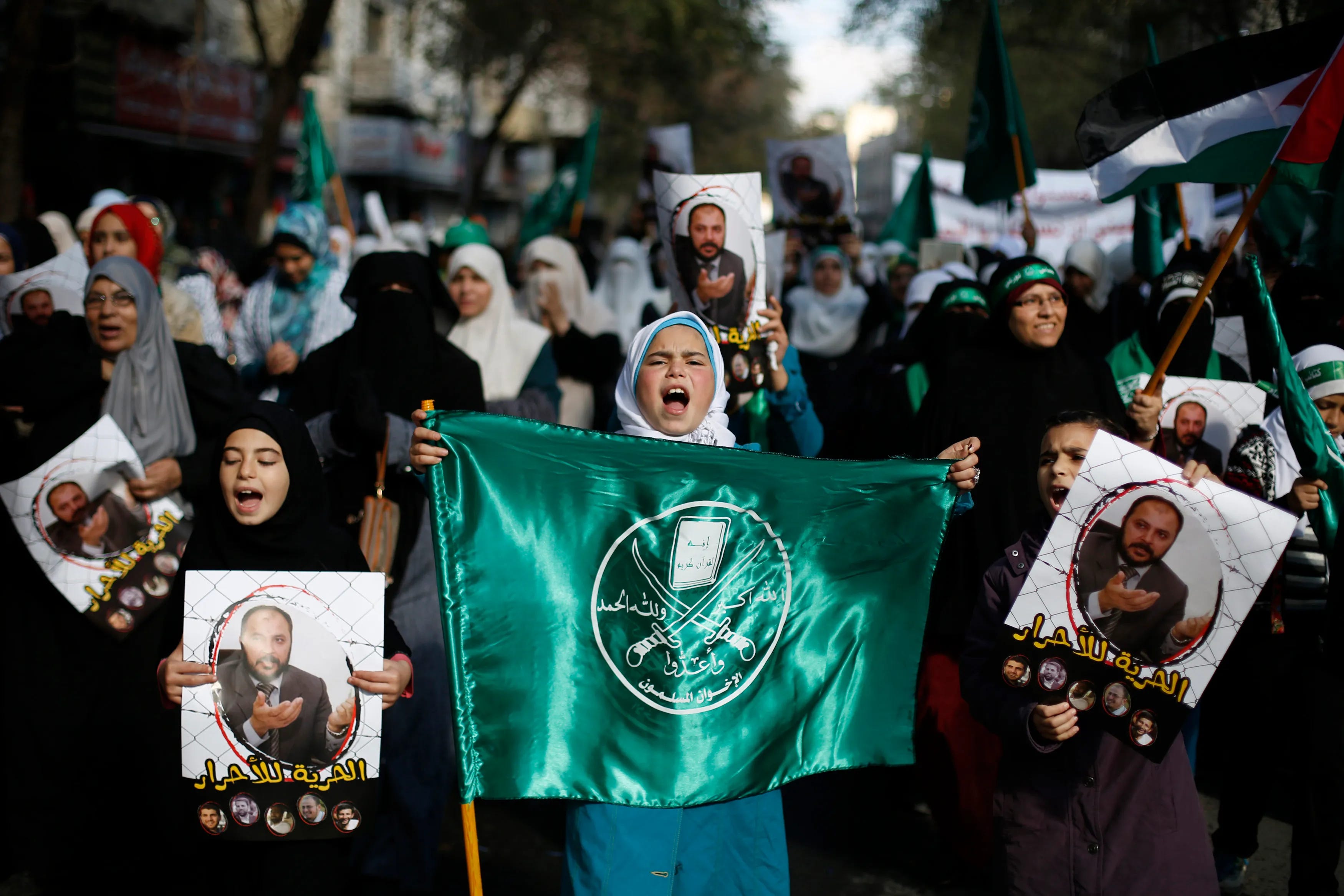
Countries including Egypt, Saudi Arabia, and the United Arab Emirates have already branded or banned the Muslim Brotherhood as a terrorist or outlawed organization, citing links to violent offshoots and alleged plots against ruling regimes. Other states, such as Turkey and Qatar, tolerate or host Brotherhood‑aligned figures and parties, reflecting deep regional divides over whether the movement is primarily a political actor or a security threat.
Legal and policy questions for the U.S.
Designating the Muslim Brotherhood as an FTO would trigger sweeping U.S. counterterrorism authorities, including criminal penalties for material support, asset freezes, and broad immigration restrictions. Legal experts note that the Brotherhood’s decentralized structure, spanning political parties, charities, and religious networks across multiple countries, could make it challenging to determine which entities are actually covered.
Critics warn that an expansive listing could chill lawful political activity by Muslim organizations in the U.S., complicate relations with allies that include Brotherhood‑linked parties in their governments, and fuel perceptions that Washington is targeting Islam rather than specific violent actors. Supporters counter that a designation would clarify U.S. opposition to Islamist movements they see as gateways to radicalization and strengthen tools to disrupt financial and ideological networks they link to terrorism.
Broader political context
The push fits into a broader pattern of hard‑line national security and immigration policies embraced by Trump and many of his Republican allies, often framed as a crackdown on “radical Islamic terrorism.” It also comes as Trump leans into issues of terrorism and border security ahead of the 2026 midterm cycle, positioning himself and his party as uncompromising on perceived Islamist threats at home and abroad.
Civil‑rights advocates and many foreign‑policy analysts argue that such a designation, if finalized, would blur important distinctions between violent extremist groups and non‑violent Islamist movements, potentially undermining pro‑democracy actors in the region who work through elections and parliaments. The State Department’s final decision and the scope of any designation will determine how far‑reaching the impact is for Muslim communities, U.S. allies, and counterterrorism policy worldwide.