
Russian airstrikes kill seven in Ukraine, hours after summit fell through

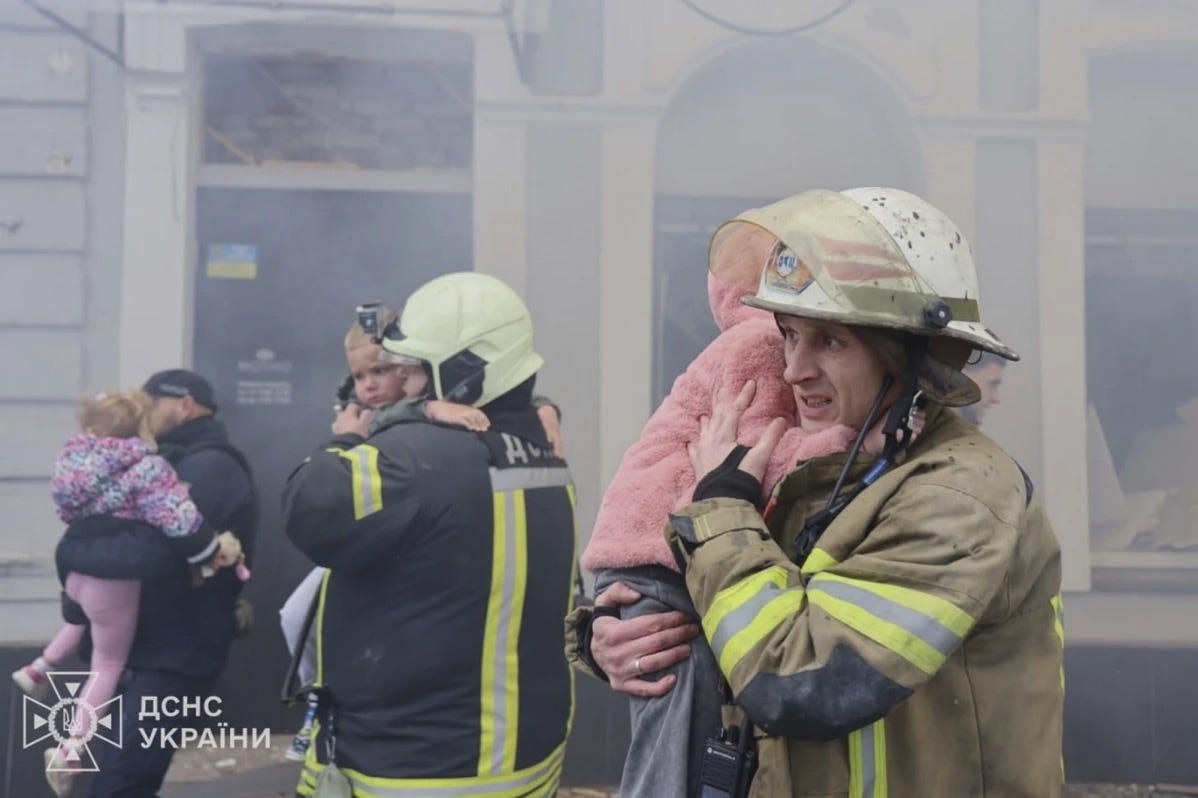
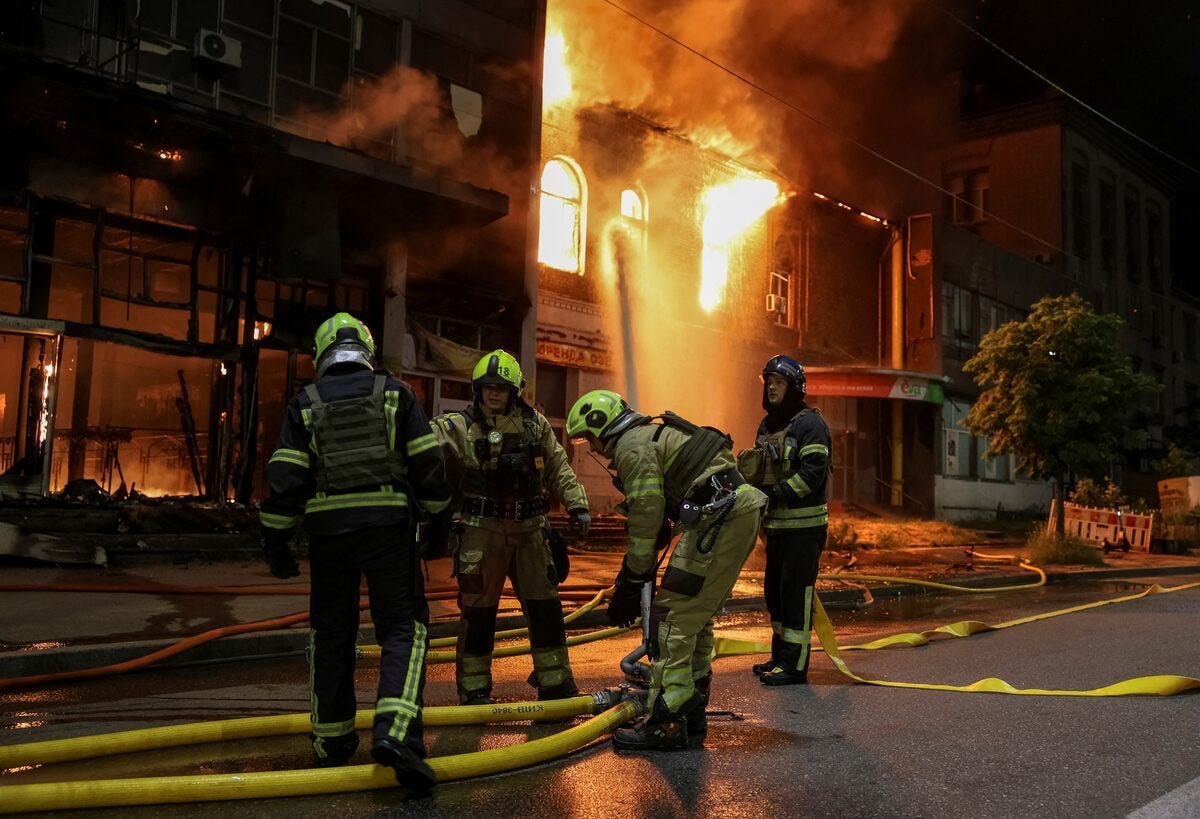
At least seven people, including two children, were killed in a barrage of Russian drone and missile strikes on Ukraine during the night of October 21-22, 2025, according to President Volodymyr Zelenskyy. The deadly attacks came just hours after President Donald Trump shelved plans for a summit with Russian President Vladimir Putin in Budapest, raising questions about prospects for ending the nearly four-year war.
The toll on civilians
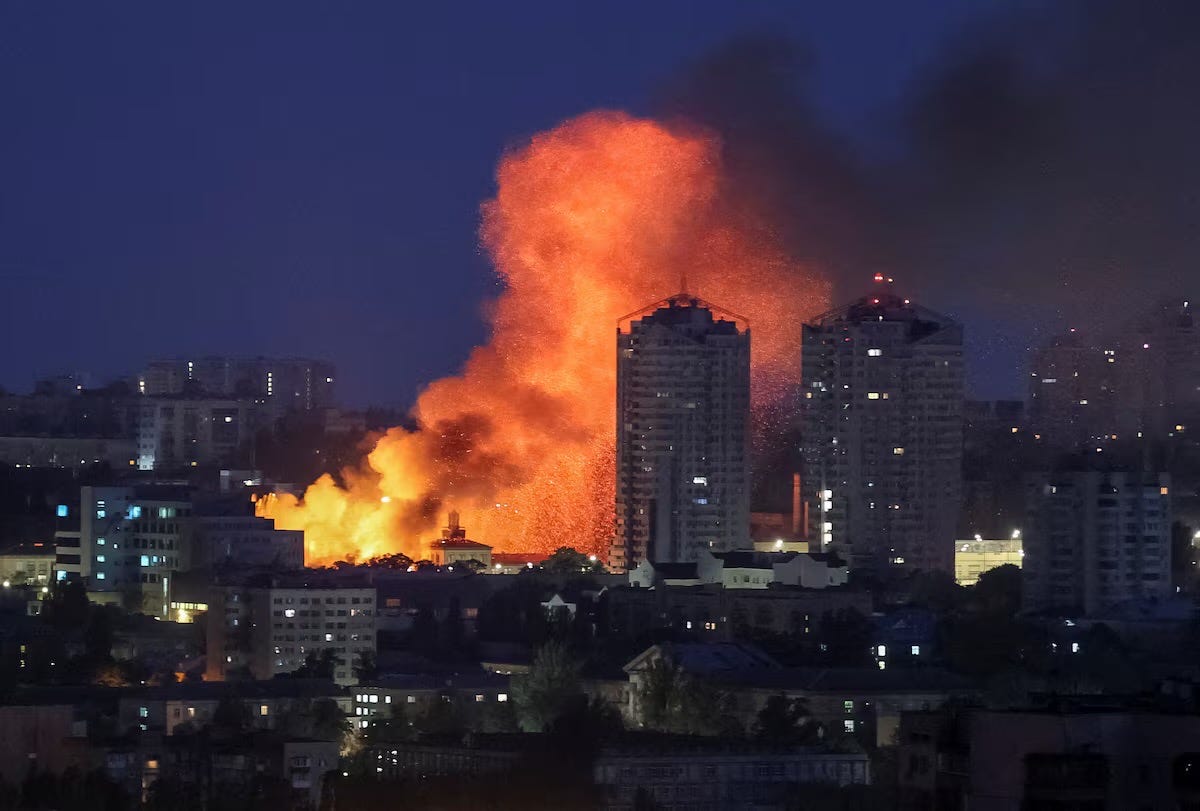
The strikes marked the first major assault on Kyiv since September 28, with the capital receiving a barrage of attacks that lasted throughout the night. Ukraine’s air force reported that Russia deployed 405 drones and 28 missiles in the nationwide attack, keeping Kyiv under a ballistic missile alert for most of the night as explosions echoed throughout the city.
In the village of Pohreby near Brovary in the Kyiv region, a 38-year-old woman, her six-month-old baby, and a 12-year-old girl were killed when debris from a Russian strike set their home on fire. Regional administration head Mykola Kalashnyk confirmed the deaths, stating, “The terrorist state killed a young woman born in 1987, a six-month-old baby, and a 12-year-old girl”.
“Their bodies were found at the scene of a fire in a house,” Kalashnyk said.
A 38-year-old man sustained similar fatal injuries from debris in the same region. In Kharkiv, a 40-year-old man was killed and at least six others injured, including children, when Russian drones struck a kindergarten in the city’s Kholodnohirskyi district. Fortunately, 48 children and teachers who were sheltering at the time escaped injury.
Targeting of energy infrastructure
Russian forces once again targeted Ukraine’s energy infrastructure, leading to emergency power outages in multiple locations across the country. By morning, emergency teams were engaged in combating fires in residential areas of Kyiv, with two fatalities reported within the city itself.
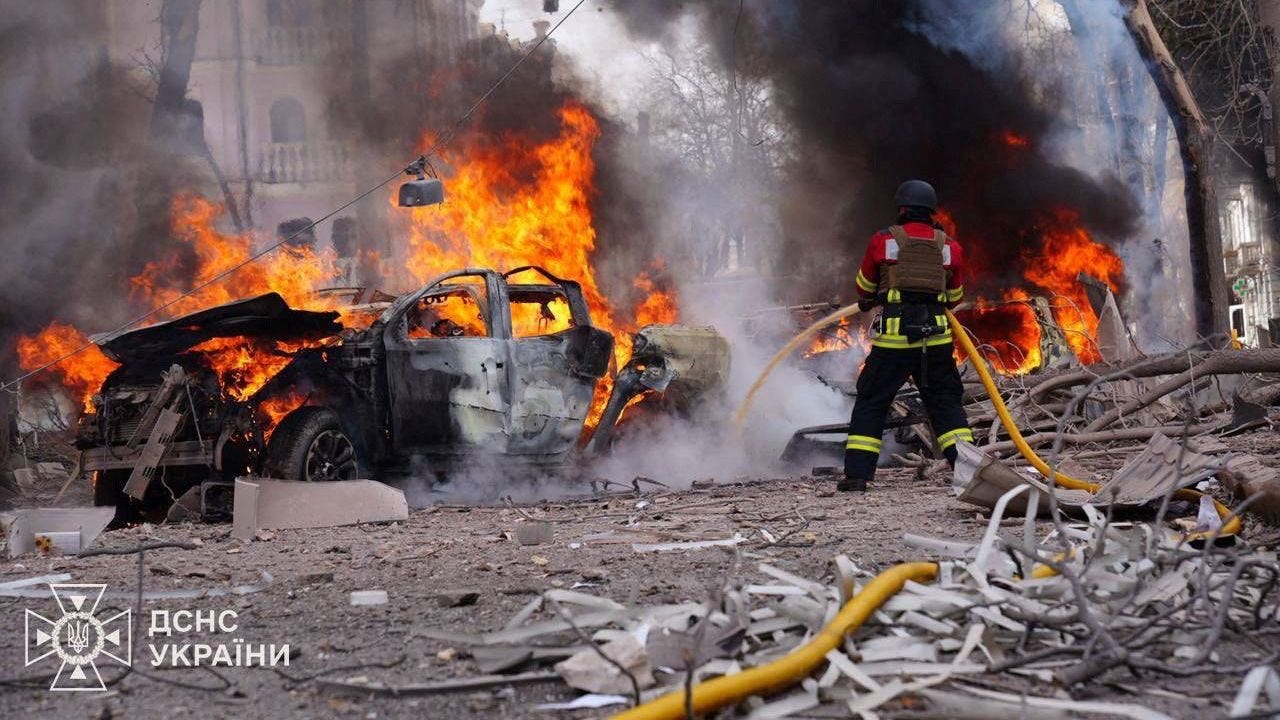
President Zelenskyy condemned the attacks as further evidence that Russia is not serious about peace negotiations. In a statement, he called for increased pressure on the Kremlin and urged Western allies to supply Ukraine with long-range missiles capable of striking deeper into Russian territory.
“Another night proving that Russia does not feel enough pressure for dragging out the war,” Zelenskyy wrote.
He added: “There is no justification for a drone strike on a kindergarten, nor can there ever be. Clearly, Russia is growing more brazen. These strikes are Russia’s spit in the face to everyone who insists on a peaceful resolution”.
Diplomatic setbacks
The airstrikes occurred as diplomatic efforts to end the war appeared to stall. On Tuesday, October 21, the White House confirmed that Trump’s previously announced meeting with Putin in Budapest had been shelved, with no plans for the two leaders to meet “in the immediate future”.
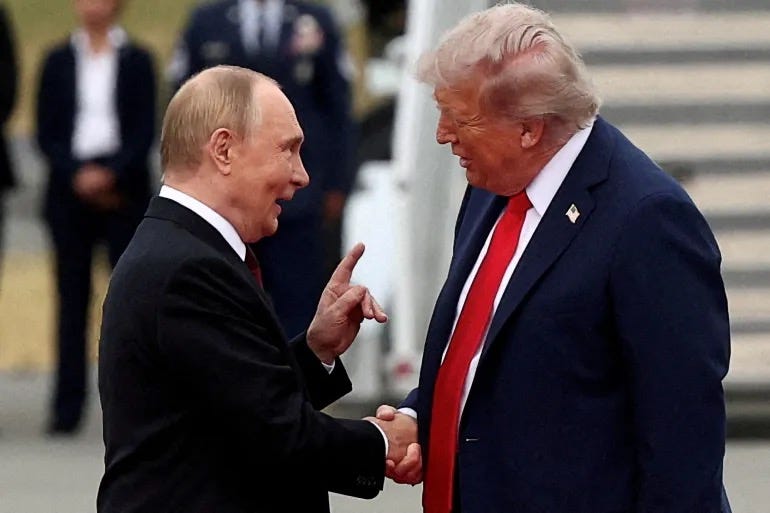
Trump had announced on October 16 that he would meet Putin in Budapest “within two weeks or so” to discuss ending the conflict. However, after a phone call between Secretary of State Marco Rubio and Russian Foreign Minister Sergey Lavrov on Monday, the White House determined that an in-person meeting was unnecessary.
“Secretary Rubio and Foreign Minister Lavrov had a productive call. Therefore, an additional in person meeting between the Secretary and Foreign Minister is not necessary, and there are no plans for President Trump to meet with President Putin in the immediate future,” a White House official stated.
When questioned about the cancelled summit on Tuesday, Trump declined to provide details but made clear his reasoning: “I don’t want to have a wasted meeting. I don’t want to have a waste of time — so we’ll see what happens”.
Root disagreement over territory
The cancellation stems from Russia’s refusal to accept Trump’s proposal to freeze the conflict along current battle lines. Trump had urged both sides on Sunday to “stop right now at the battle lines” and return home, suggesting territorial details could be negotiated later.
However, Kremlin spokesperson Dmitry Peskov made clear that Russia would not accept such terms, stating, “The consistency of Russia’s position doesn’t change,” referring to Moscow’s demand for complete Ukrainian withdrawal from the eastern Donbas regions. During the Rubio-Lavrov call, the Russian foreign minister went further, suggesting that “an immediate ceasefire in Ukraine would mean only one thing: most of it would remain under Nazi rule,” indicating Russia’s continued goal of regime change.
European response and alternative peace plan
Ukraine and its European allies moved quickly to capitalize on Russia’s intransigence. On Tuesday, eight European leaders, along with President Zelenskyy, issued a joint statement strongly supporting Trump’s call for an immediate ceasefire at current front lines. The statement accused Putin of “stalling tactics” and declared, “We can all see that Putin prefers to choose war and destruction”.
European nations are now working with Ukraine on a 12-point peace proposal to end the war along current battle lines, according to Bloomberg News. The plan would be overseen by a peace board chaired by Trump and includes provisions for the return of all deported Ukrainian children, prisoner exchanges, security guarantees for Ukraine, a pathway to European Union membership, and gradual lifting of sanctions against Russia once a ceasefire is agreed.
NATO Secretary-General Mark Rutte was dispatched to brief Trump on the European proposal shortly after the Budapest summit collapsed.
Context of failed democracy
This marks the second time Trump’s attempts to broker peace with Putin have faltered. The two leaders previously met in Alaska in August, but those talks produced no real progress. Trump has repeatedly expressed frustration towards Russia, at one point threatening to supply Ukraine with long-range Tomahawk cruise missiles if Moscow did not soften its demands, though he ultimately decided against providing the weapons.
The failed summit has underscored the fundamental differences between the two sides. While Trump, Ukraine, and European allies have called for an immediate cessation of hostilities along current lines, Russia continues to demand that Ukraine surrender the entirety of the Donbas region and accept regime change in Kyiv.