
Over 300 students and teachers kidnapped from Nigerian Catholic school in one of country's largest mass abductions

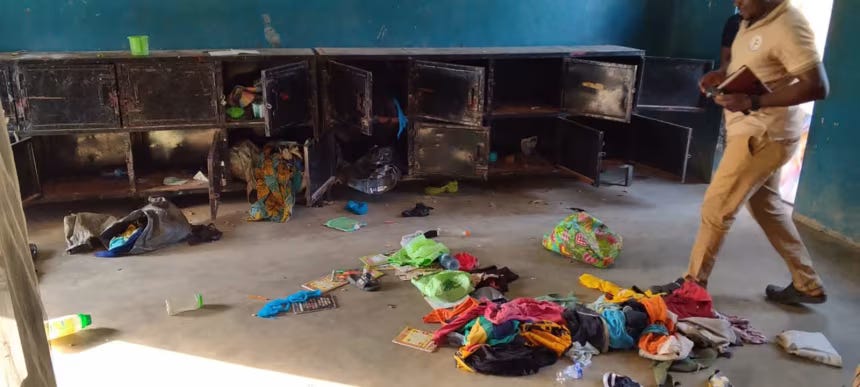
Armed gunmen abducted 303 students and 12 teachers from St. Mary’s Catholic School in Nigeria’s Niger state on Friday, November 21, in what has become one of the largest mass kidnappings in the country’s history. As of Sunday, 50 students had escaped and reunited with their families, leaving approximately 253 children and all 12 educators still in captivity.
The attack
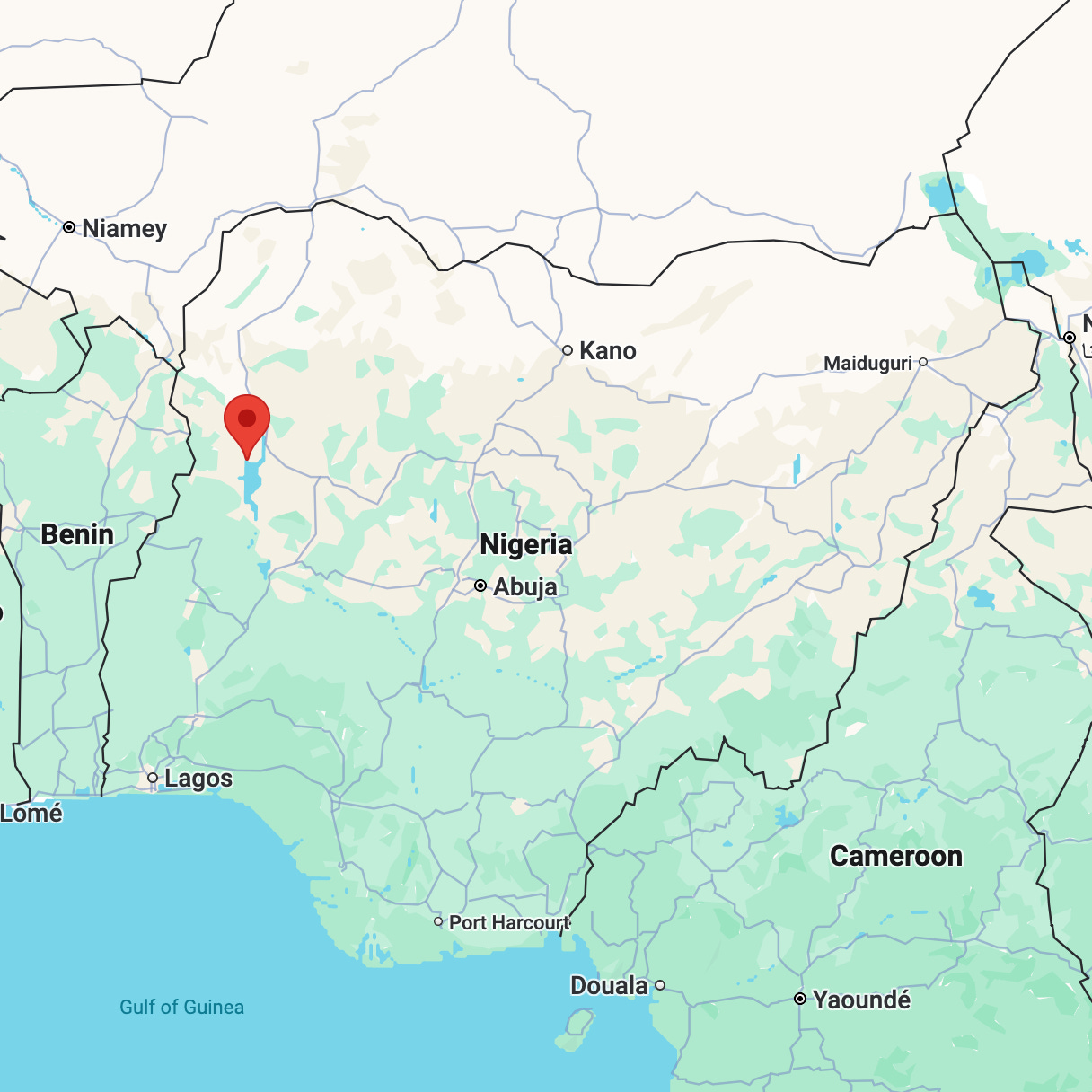
The assault occurred in the early morning hours, around 2 a.m. local time, in the remote Papiri community of the Agwara local government area.
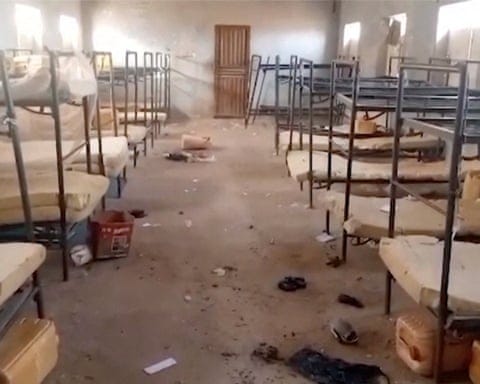
Armed assailants arrived on motorcycles, discharged firearms into the sky, and proceeded directly to the dormitories where students were sleeping. The attackers then forced numerous young pupils, including some as young as six years old, into a large truck and fled into the surrounding forests.
The initial death toll reported was 215 students taken, but the figure was revised upward after the Christian Association of Nigeria conducted a verification exercise and final headcount. Most Rev. Bulus Dauwa Yohanna, chairman of the Niger state branch of CAN and the school’s proprietor, confirmed that an additional 88 students were captured while attempting to escape during the raid. The abducted students, both boys and girls, range in age from 10 to 18 years old.
Escape and rescue efforts
Between Friday and Saturday night, 50 students managed to escape captivity individually and have since been reunited with their families. The Christian Association of Nigeria described their flight as “a courageous and perilous effort” to flee their captors. However, 253 students and 12 teachers remain in the hands of the abductors.
“We were able to confirm this after we chose to reach out and visit some of the parents,” Rev. Yohanna stated.
Nigerian authorities have deployed tactical squads alongside military personnel and local hunters to search nearby forests and remote paths believed to have been used by the kidnappers. The bishop indicated that there has been no significant deployment of security forces to the community since the kidnappings occurred, sparking protests from parents outside the school.
Government response and school closure controversy
In response to the crisis, Niger state Governor Umar Bago ordered all schools in the state closed indefinitely, declaring “Christmas holiday for all schools in Niger state”. Several neighboring states, including Katsina and Plateau, have also shuttered schools as a precautionary measure.
However, a dispute has emerged over whether the school defied earlier closure orders. State government officials claim that St. Mary’s School had ignored instructions to close boarding facilities following intelligence warnings about an increased risk of attacks. Governor Bago asserted that schools in that area had been closed for four years and expressed astonishment that the institution was still operating.
The Christian Association of Nigeria disputes this characterization. Rev. Yohanna stated:
“We did not receive a circular. It must be an afterthought and a way to shift blame”.
Part of a broader crisis
The attack at St. Mary’s School is the second mass school kidnapping in Nigeria within a week. On November 17, armed men abducted 25 female students from a government girls’ boarding school in neighboring Kebbi state, approximately 170 kilometers away, killing the vice principal during the assault. One girl has since escaped, but 24 remain unaccounted for.
Additionally, on November 18, gunmen attacked a church in western Nigeria’s Kwara state, killing two people during a service that was being broadcast online and abducting several worshippers, including the pastor.
Nigeria has experienced a surge in mass kidnappings since the 2014 Chibok incident, when Boko Haram militants abducted 276 schoolgirls, sparking international outrage and the #BringBackOurGirls movement. More than 90 of those girls remain missing. According to The Associated Press, at least 1,799 students have been captured in the most notorious kidnappings since Chibok.
International attention and U.S. involvement
The kidnappings come amid heightened international scrutiny following U.S. President Donald Trump’s threats of potential military intervention over what he describes as the “genocide” of Christians in Nigeria.
“They’re killing people by the thousands. It’s a genocide and I’m really angry about it,” Trump stated in an interview on Fox News Radio following the St. Mary’s attack. “And we pay, you know, we give a lot of subsidies to Nigeria. We’re going to end up stopping. The government’s done nothing. They’re very ineffective”.
On October 31, Trump re-designated Nigeria as a “Country of Particular Concern,” a classification for nations with severe violations of religious freedom. He has also instructed the Pentagon to prepare for possible military action and directed the State Department to consider backing “human-rights vetted Nigerian forces to protect and defend Nigerian Christians and moderate Muslims”.
However, Nigerian officials and analysts have pushed back against these characterizations, emphasizing that the violence affects both Christians and Muslims. The school attack earlier in the week in Kebbi state occurred in a Muslim-majority town, and experts note that armed groups in northwestern Nigeria often comprise primarily Muslim attackers targeting predominantly Muslim communities.
“The portrayal of Nigeria as religiously intolerant does not accurately reflect our national reality, nor does it consider the consistent and genuine efforts of our government to protect the freedom of religion and beliefs for all Nigerians,” Nigerian President Bola Tinubu responded to the U.S. claims.
Pope Leo appeals for release
On Sunday, Pope Leo issued a heartfelt plea during his weekly Angelus prayer address in St. Peter’s Square, calling on kidnappers to release the abducted students and teachers immediately. The Pope expressed profound sorrow for “the numerous young individuals who have been taken and for the distressing situation of their families”.
Root causes of Nigeria’s kidnapping crisis
For years, heavily armed criminal gangs, locally known as “bandits,” have intensified attacks in rural areas of northwestern and central Nigeria, where state presence is minimal. These groups carry out kidnappings for ransom, often operating from vast forests straddling several states.
Data from the U.S.-based crisis-monitoring organization ACLED reveals that there have been 1,923 attacks on civilians in Nigeria this year, resulting in more than 3,000 fatalities. Analysts point to multiple factors driving the violence: deteriorating economic conditions, climate change reducing access to arable land and water, corruption, and a security apparatus stretched thin across the nation’s multiple conflict zones.
“What is consistent across all these attacks is the Nigerian government’s failure to protect lives and its ineffectiveness in apprehending and prosecuting the criminals involved. This holds true for both Muslims and Christians,” noted Amaka Anku, head of the Africa practice at political risk consultancy Eurasia Group.
President Bola Tinubu canceled his attendance at the G20 summit in Johannesburg to focus on the crisis, and Nigeria’s national security adviser, Nuhu Ribadu, has held discussions with U.S. Defense Secretary Pete Hegseth regarding enhanced security cooperation.