
Musk predicts AI will replace all jobs as Amazon automation plans spark debate


Tesla CEO Elon Musk declared Tuesday that artificial intelligence and robots will eventually replace all human jobs, making work entirely optional, following revelations that Amazon plans to automate operations instead of hiring more than 600,000 workers over the next decade.
Amazon’s automation strategy
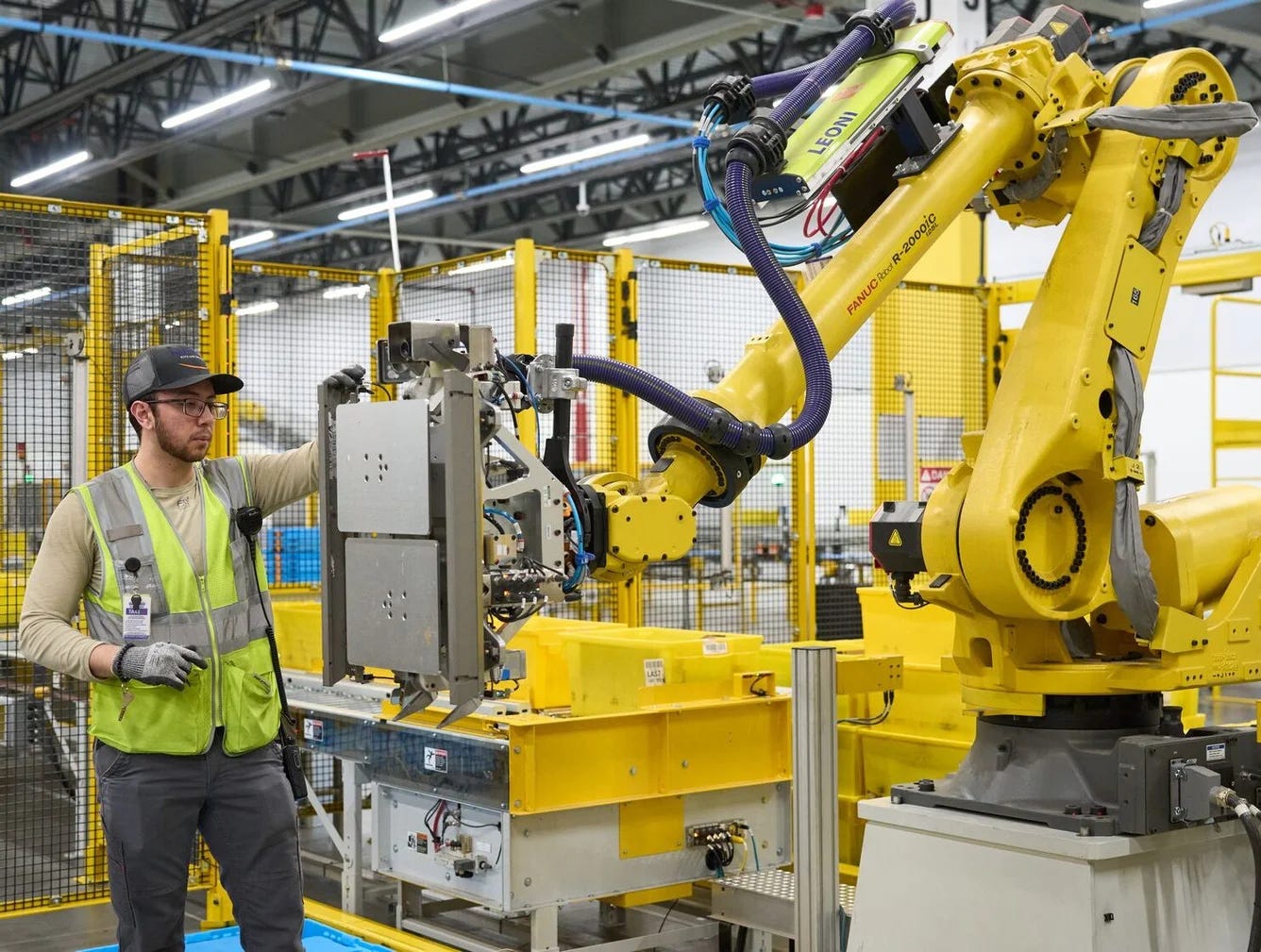
Internal Amazon documents reviewed by The New York Times reveal the e-commerce giant aims to automate 75% of its operations, potentially avoiding the need to hire approximately 160,000 workers by 2027 and 600,000 by 2033, despite projecting sales will double during that period. The company’s robotics division expects automation to save approximately 30 cents per shipped item, translating to $12.6 billion in savings between 2025 and 2027.
Amazon’s automation strategy centers on advanced machines, including Proteus and Sequoia robots capable of autonomous navigation, lifting, and sorting. Documents indicate some facilities already require 25% to 50% fewer human workers, with 40 additional warehouses expected to implement robotic designs by 2027.
“Leaked documents often present an incomplete and misleading view of our plans, and this instance is no different. The materials seem to reflect the viewpoint of just one team and do not encapsulate our comprehensive hiring strategy across various business operations.”
— Kelly Nantel, Amazon spokesperson
Amazon emphasized it continues hiring for higher-paying roles and expanding upskilling programs, including its Robotics Apprenticeship initiative. The company noted it has created more jobs in America over the past decade than any other corporation.
Musk’s vision of automated future
Responding to reports of Amazon’s automation plans, Musk wrote on X that “AI and robots will replace all jobs” and “working will be optional, like growing your own vegetables, instead of buying them from the store”. The billionaire entrepreneur has consistently promoted this vision, predicting that people will eventually have their own personal robots and experience “universal high income” rather than economic devastation.
Musk previously told a technology conference there is an “80 percent chance” of a future with abundant goods and services where physical labor becomes optional. He acknowledged one significant challenge in this automated world: “The challenge will be fulfillment. How do you derive fulfillment and meaning in life?”
Political and economic backlash
Senator Bernie Sanders (I-Vt.) immediately criticized Amazon’s automation plans, posting on X that “Big Tech oligarchs are coming for your job” and warning that Jeff Bezos plans to “fully automate operations”. Sanders argued that “AI & robotics must benefit workers, not the top 1%”.
The criticism follows an October report from Senate Democrats warning that AI and automation could eliminate nearly 100 million jobs in the United States over the next decade. The analysis found that 89% of fast food jobs, 64% of accounting roles, and 47% of trucking positions could be automated within ten years.
“Nobody else has the same incentive as Amazon to find the way to automate. Once they work out how to do this profitably, it will spread to others, too. One of the biggest employers in the United States will become a net job destroyer, not a net job creator.”
— Daron Acemoglu, Nobel Prize-winning economist
Competing visions
The debate reflects a fundamental divide over AI’s impact on employment. Musk envisions “sustainable abundance” where goods and services become “close to free”, while labor advocates warn of concentrated wealth and mass unemployment without adequate worker protections.
Amazon’s documents reportedly suggested the company considered steps to improve its image as a “good corporate citizen” in preparation for backlash, including participating in community projects and using vague terms like “advanced technology” instead of “automation” or “AI”. Amazon denied that executives were instructed to avoid specific terminology when discussing robotics.
The automation push comes as companies across industries increasingly adopt AI to reduce labor costs and boost productivity, with major corporations, including Walmart, already cutting tens of thousands of jobs while expanding automation.