
Microplastics seen throughout Lake Mead and Colorado river system

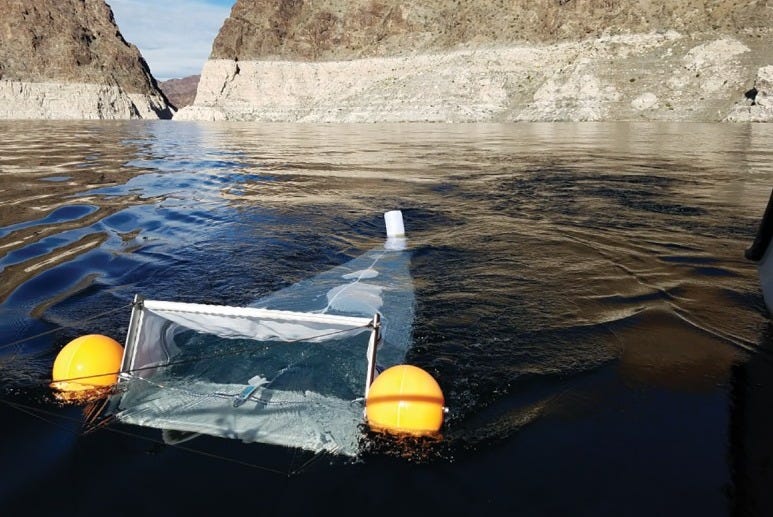
Microplastic contamination has been confirmed throughout Lake Mead National Recreation Area, raising concerns about water quality in a reservoir that supplies drinking water to millions of residents in Nevada, Arizona, and California.
A comprehensive U.S. Geological Survey study documented microplastic concentrations ranging from 0.44 to 9.7 particles per cubic meter at the water surface and 87.5 to 1,010 particles per kilogram dry weight in sediment samples across Lakes Mead and Mohave. The research, which analyzed water, sediment, fish, and shellfish samples, represents the first assessment of microplastic occurrence in these major Colorado River reservoirs.
Sources and distribution

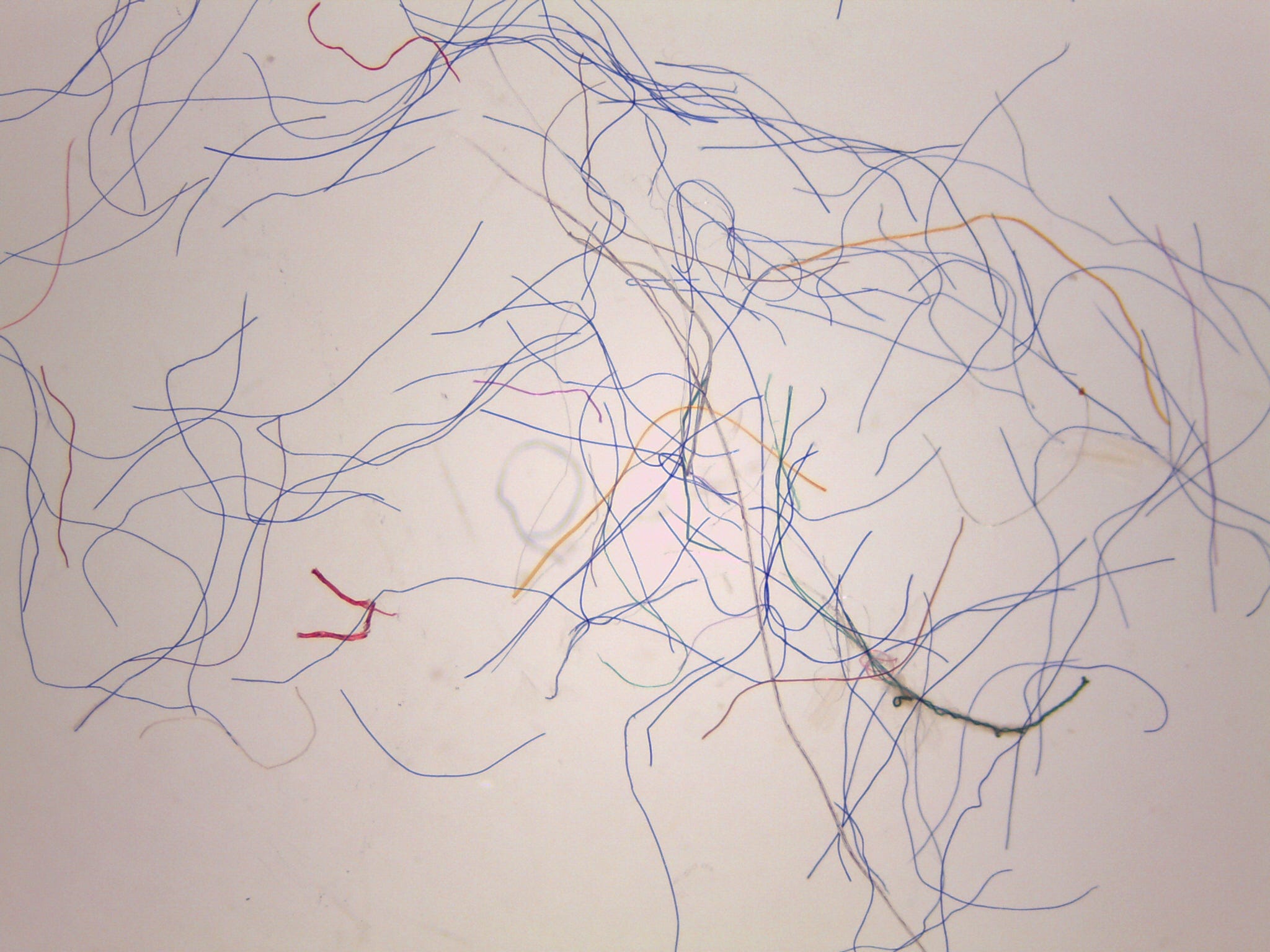
Researchers identified Las Vegas Wash, a tributary delivering treated wastewater to Lake Mead, among the sampling locations. Areas with greater anthropogenic impact showed higher microplastic concentrations, though sample numbers were limited. Fibers emerged as the most abundant particle type found across all sample categories.
The Desert Research Institute has been conducting ongoing investigations at multiple sites, including one location in Lake Mead and three in the Las Vegas Wash, to better understand the extent of microplastic pollution in Nevada’s freshwater systems. Researchers at DRI have emphasized the need to identify sources of microplastic contamination and develop methods to remove it from the environment.
Biological uptake
The study documented significant biological uptake of microplastics in aquatic organisms. Shellfish samples contained 2.7 to 105 particles per organism, while fish samples ranged from zero to 19 particles per organism. Striped bass, common carp, quagga mussels, and Asian clams were among the species tested.
A sediment core extracted from Las Vegas Bay, representing approximately 19 years of deposition, showed microplastic concentrations between 220 and 2,040 particles per kilogram dry weight, with no clear increasing or decreasing trend over time.
Health and environmental concerns
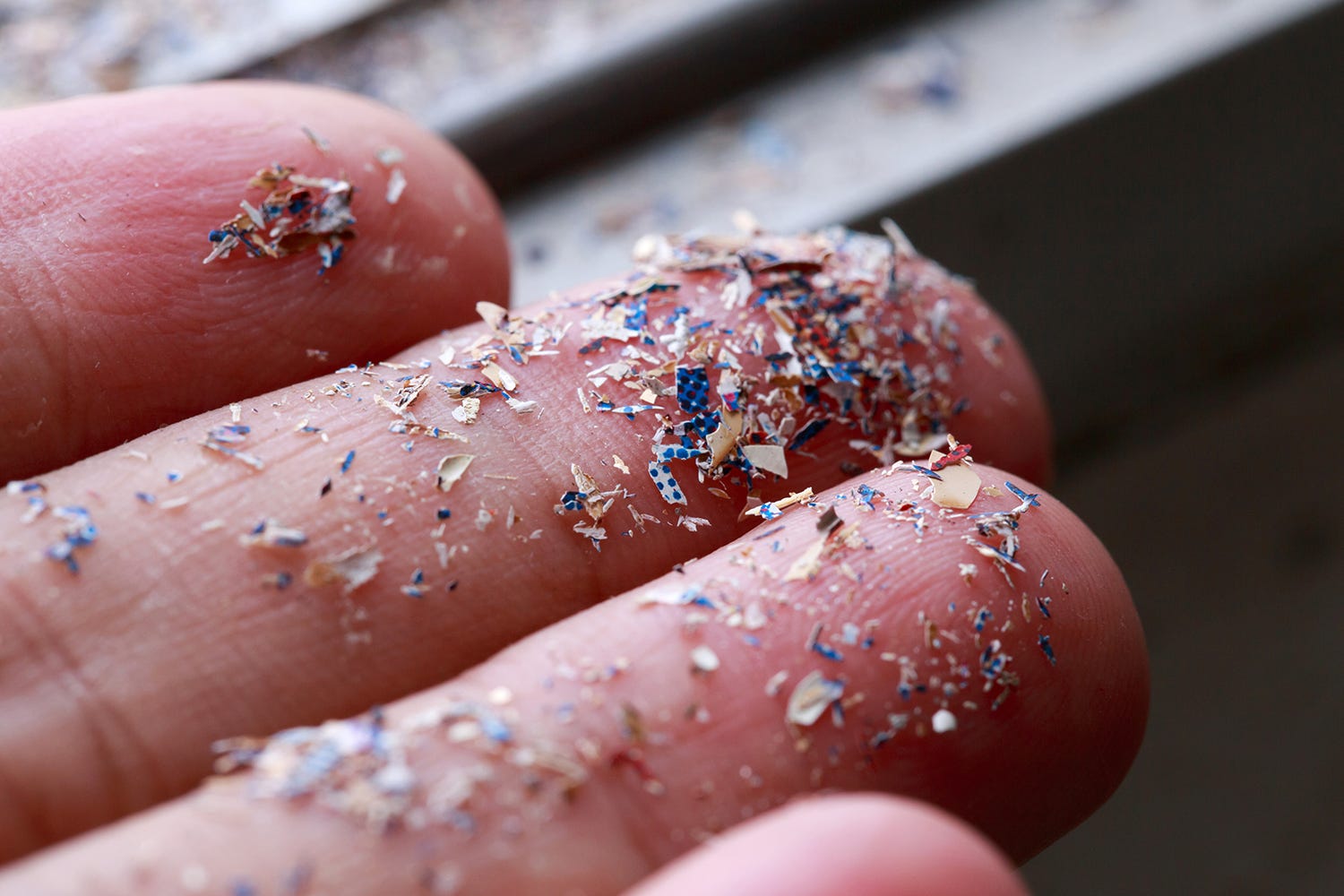
Lake Mead serves as a critical water source for the Southwest, making microplastic contamination a significant public health consideration. While research on health impacts remains limited, microplastics can absorb and transport harmful chemicals, including polychlorinated biphenyls, heavy metals, and pesticides. Studies have linked microplastic exposure to potential cancer risks, weakened immune systems, and reproductive health issues.
“Nothing we use for a few minutes should be able to pollute our environment for hundreds of years,” said Katelynn Rolfes, a conservation advocate for Environment Minnesota, speaking about similar contamination found in Minnesota waterways.
Regional context
The Lake Mead findings contribute to growing evidence of widespread microplastic contamination in freshwater systems across the United States. Recent studies have detected microplastics in all 40 Minnesota waterways tested, with samples collected between May and September 2025 showing contamination in every location. Similarly, research in Texas has documented microplastics flowing from the state into Mexican coastal waters.
The southwestern U.S. has historically lacked comprehensive data on microplastic occurrence compared to regions like the Great Lakes. The Lake Mead research helps address this knowledge gap by providing baseline information about contamination levels in large desert reservoirs.
Sources of contamination
Microplastics enter waterways through multiple pathways, including microfibers shedding from clothing, degrading plastic bottles and bags, and runoff from urban areas. In the Lake Mead watershed, treated wastewater represents a significant potential source, as wastewater treatment plants may not effectively remove all microplastic particles.
The Minnesota Pollution Control Agency is preparing a state-funded report detailing microplastic levels in surface, drinking, and groundwater, expected for release in 2026, marking the first statewide assessment of its kind.