
International Court of Justice rules Gaza blockade is illegal

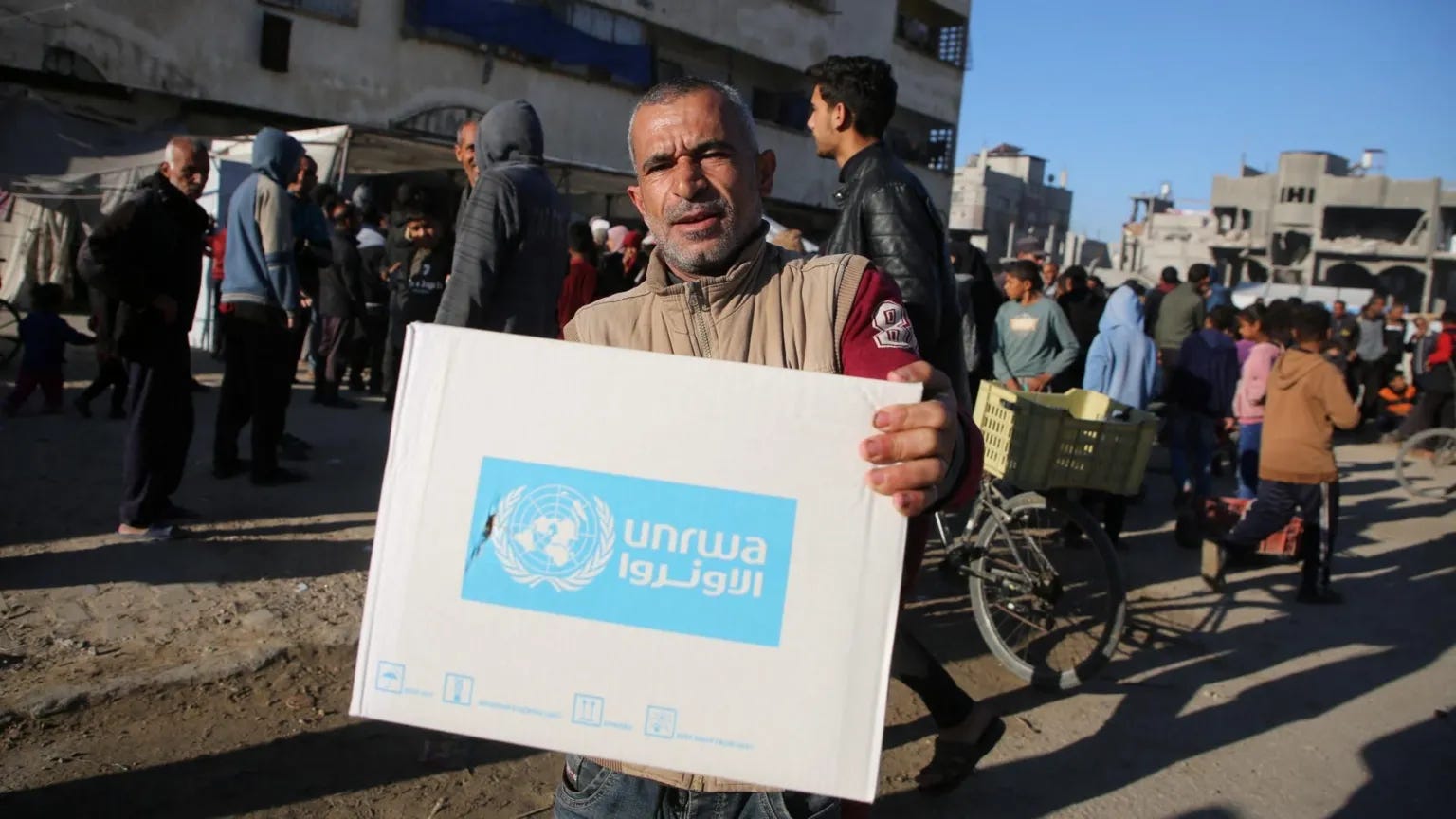
The ceasefire between Israel and Hamas continues to deteriorate as international bodies and humanitarian organizations raise alarms over Israel’s failure to meet its obligations under the truce agreement, with the International Court of Justice issuing a landmark ruling on October 22, demanding Israel facilitate aid to Gaza.
ICJ condemns starvation tactics

The International Court of Justice (ICJ) ruled Wednesday that Israel is deliberately starving the people of Gaza and has a legal obligation to allow necessities into the territory. In its advisory opinion, the UN’s highest legal body determined that Israel “is under the obligation to agree to and facilitate relief schemes provided by the United Nations and its entities, including UNRWA,” according to ICJ President Yuji Iwasawa. The court found that Israel had not “substantiated the allegations” that Hamas has infiltrated UNRWA, rejecting Israeli claims used to justify banning the agency.
“Israel is using starvation as a method of warfare,” the court declared, noting that the Gaza Strip population had been “inadequately supplied” and that Israel must ensure “the basic needs of the local population” are met.
Israeli Foreign Minister Gideon Saar dismissed the proceedings as a “circus,” while Israeli Ambassador to the UN Danny Danon called the ruling “shameful,” alleging UN entities serve as “breeding grounds for terrorists”.
Aid deliveries fall short of agreement
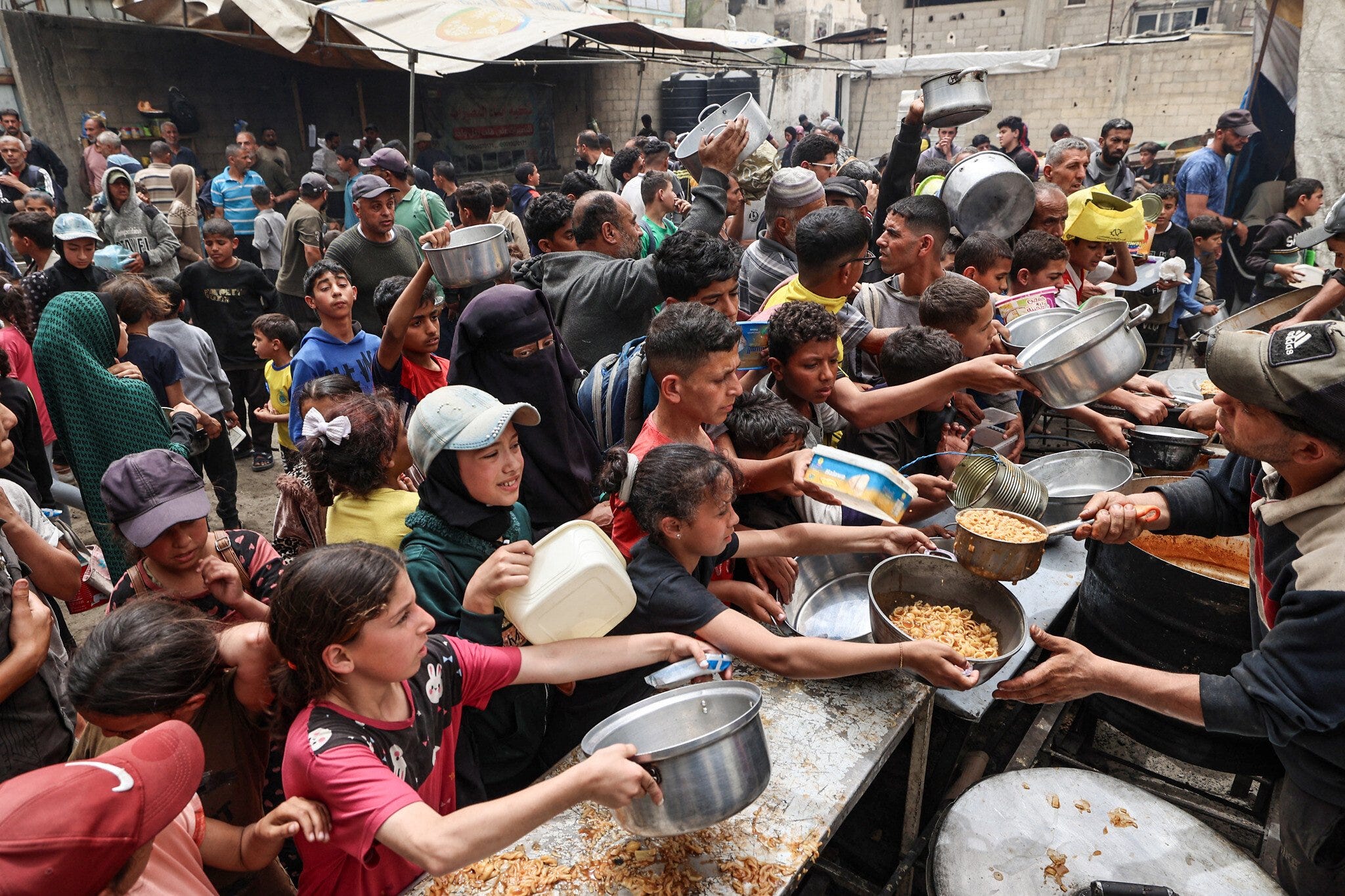
Under the US-brokered ceasefire that began on October 10, Israel agreed to permit 600 aid trucks daily into Gaza. However, actual deliveries have fallen dramatically short of this commitment. UN World Food Programme spokesperson Abeer Etefa reported that only 530 trucks had entered Gaza since the ceasefire began, delivering approximately 6,700 tonnes of food—enough for nearly half a million people for two weeks. Currently, approximately 750 tonnes of aid are being delivered daily, far below the WFP’s goal of 2,000 tonnes per day and less than half the agreed-upon 600 trucks.
Israel has maintained its restrictions on aid despite agreeing to increased access, claiming the limitations are intended to pressure Hamas. Additionally, Israel has refused to open the crucial Rafah border crossing, a key route for humanitarian supplies.
Violence continues, despite ceasefire
Since the ceasefire took effect on October 10, Israeli forces have killed nearly 100 Palestinians and injured approximately 230 in Gaza. The deadliest single incident occurred on October 17, when an Israeli tank shelled a civilian vehicle carrying the Abu Shaaban family in Gaza City’s Zeitoun neighborhood, killing 11 people, including seven children and three women. The family was attempting to return home to assess its condition when they were struck.
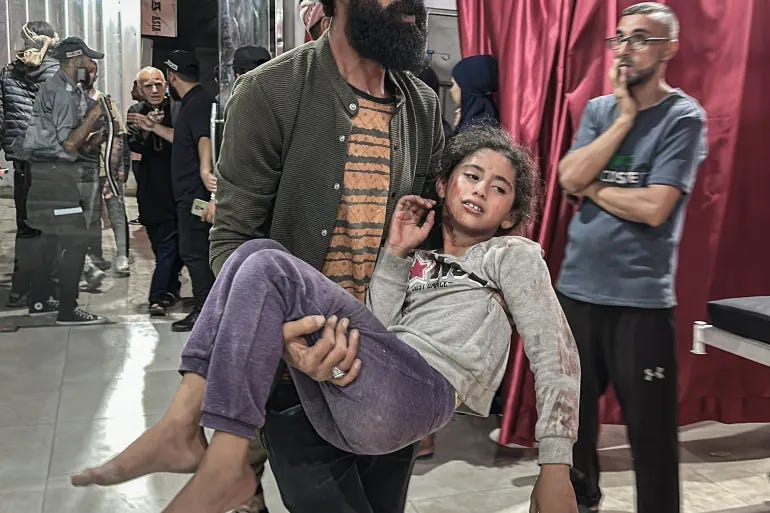
Gaza civil defense spokesperson Mahmoud Basal stated that “the occupation is still eager for blood and continues to perpetrate crimes against innocent civilians,” adding that the family “could have been warned or handled in a different manner”.
On October 19, Israel launched what it described as a “massive and extensive wave” of strikes throughout Gaza after claiming Hamas militants killed two Israeli soldiers in Rafah. The strikes killed at least 26 people, including a woman and child, with one attack reportedly hitting a former school serving as a shelter for displaced individuals in Nuseirat. However, US officials told several news outlets that the soldiers had reportedly driven their vehicle over unexploded ordnance, contradicting Israel’s claims of a Hamas attack.
Palestinians navigate invisible ‘yellow line’
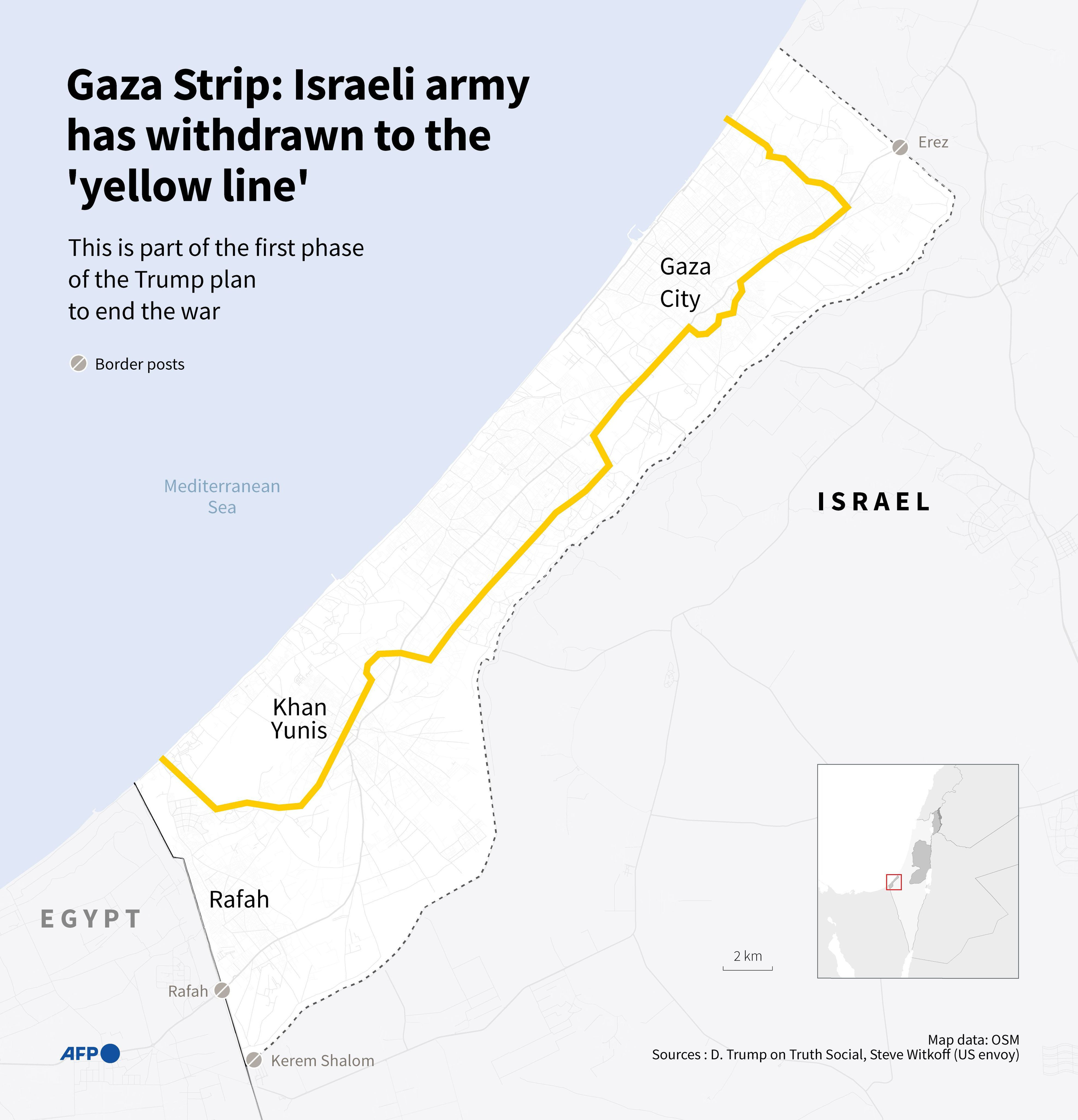
Many Palestinians remain unaware of the locations of Israeli forces along the so-called “yellow line”—demarcation boundaries from which Israel’s military was expected to withdraw under ceasefire terms. Residents of Gaza City have expressed uncertainty over the precise location of this line due to the absence of visible markers. A resident named Samir, 50, remarked: “The entire area is in ruins. We reviewed the maps, but we cannot identify where those lines are”.
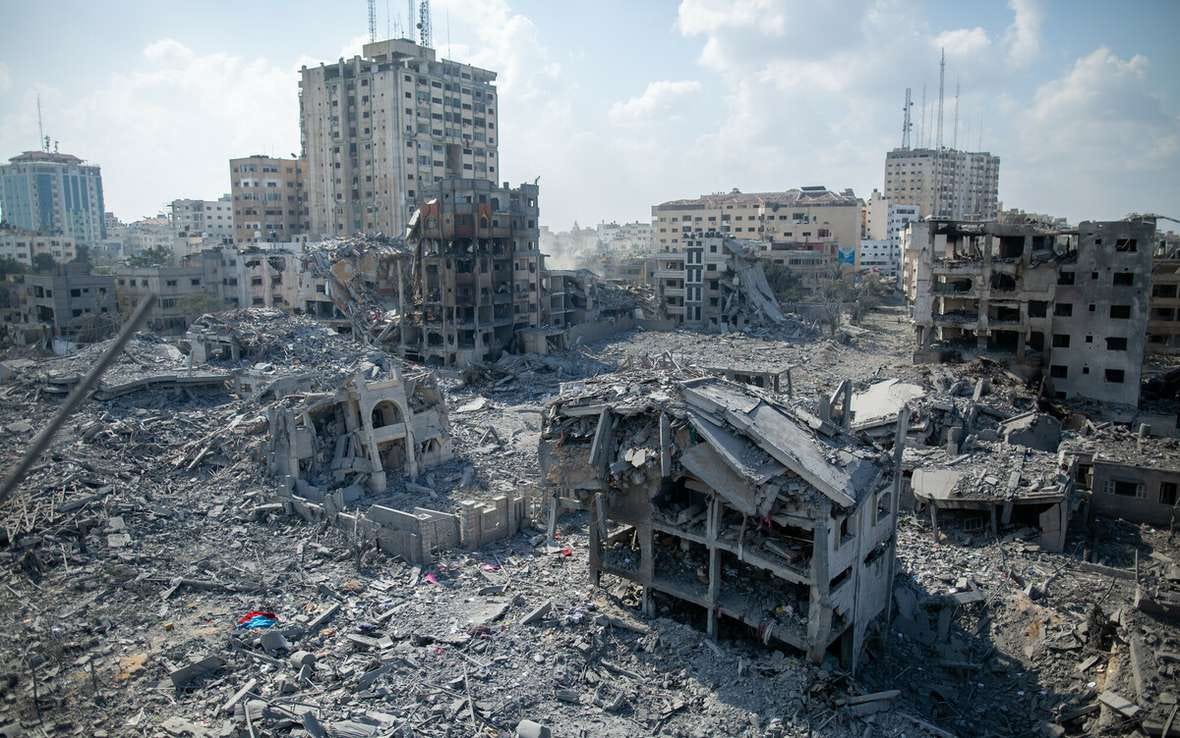
Israeli forces have opened fire on individuals who crossed these boundaries, claiming they presented a potential risk to Israeli personnel. Gaza residents lack internet access in many areas, placing families in jeopardy as they attempt to return to their homes.
International response and diplomatic efforts

Hamas’s chief negotiator Khalil al-Hayya told Egypt’s Al-Qahera News that Israel is not adhering to aid delivery terms outlined in the ceasefire agreement. Hamas has urged President Donald Trump and other mediators to apply pressure on Israel to comply with the ceasefire terms.
Trump’s envoy Steve Witkoff and his son-in-law Jared Kushner visited Israel on Monday following the major ceasefire violations. US Vice President JD Vance noted the presence of approximately 40 distinct Hamas cells and stated that “some of these cells may adhere to the ceasefire. However, many, as evidenced today, will not”.
Despite the ongoing violations, the ceasefire technically remains in place as of October 22, though its foundations appear increasingly unstable. Israel temporarily suspended aid deliveries following the October 19 incidents but announced under US pressure that supplies would resume on Monday.