
French bank BNP Paribas found liable for Sudan atrocities

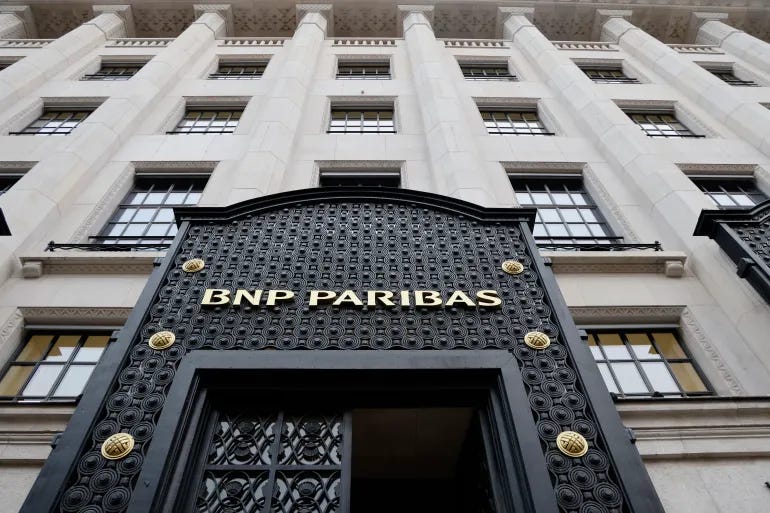
A federal jury in Manhattan has found French banking giant BNP Paribas liable for aiding Sudan’s genocidal regime, awarding $20.75 million in damages to three Sudanese refugees who survived horrific human rights abuses under former President Omar al-Bashir.
The verdict, delivered on Friday, October 18, 2025, concluded that the bank’s provision of banking services to Sudan’s government between the late 1990s and 2009 violated American sanctions and constituted “a natural and adequate cause” of the suffering endured by survivors of ethnic cleansing and violence.
The case
The three plaintiffs—two men and one woman, all now American citizens—testified during the five-week trial about the brutal treatment they suffered, including torture, cigarette burns, knife wounds, and sexual assault at the hands of Sudanese soldiers and the government-backed Janjaweed militia.
“I have no relatives left,” testified plaintiff Entesar Osman Kasher during the proceedings.
The case centered on whether BNP Paribas’s financial services, particularly letters of credit that allowed Sudan’s government to export oil, cotton, and other commodities, enabled the regime to continue its campaign of violence despite U.S. sanctions.
Legal and Financial Implications
The verdict represents a bellwether trial in what could become a broader class action lawsuit. Attorneys for the plaintiffs assert that approximately 23,000 Sudanese refugees in the United States may now be eligible to seek “billions more in restitution”.
BNP Paribas shares plummeted by as much as 10% on Monday, October 20, following the verdict, with analysts attributing the decline to concerns about the bank’s potential liability. Chief Financial Officer Lars Machenil revealed during an earnings call that the bank had made no provisions for Sudan-related litigation in its third-quarter results.
The bank issued a strong statement declaring the verdict “clearly wrong” and announcing its “unwavering intention to appeal”. A spokesperson told media outlets there were “very strong grounds to appeal the verdict, which is based on a distortion of controlling Swiss law and ignores important evidence the bank was not permitted to introduce”.
Historical Context
This is not BNP Paribas’s first legal encounter over its Sudan operations. In 2014, the bank pleaded guilty to violating U.S. sanctions against Sudan, Cuba, and Iran, agreeing to pay an $8.9 billion penalty.
The current case focuses on the bank’s role during the Darfur genocide and related atrocities under al-Bashir’s regime, which ruled Sudan from 1989 until his ouster in 2019. The International Criminal Court has charged al-Bashir with genocide, though he has never been surrendered to face trial in The Hague.
Accountability for Corporate Complicity
For the plaintiffs’ attorney, Bobby DiCello, the verdict marks a significant milestone in corporate accountability.
“The jury recognized that financial institutions cannot turn a blind eye to the consequences of their actions,” DiCello said. “Our clients lost everything to a campaign of destruction fueled by US dollars – money that BNP Paribas helped move and that should have been stopped”.
The decision sets a precedent for holding corporations accountable when their business activities facilitate human rights abuses, even when conducted through seemingly routine financial services.
Ongoing Atrocities in Sudan
The verdict arrives as Sudan continues to face widespread violence and a humanitarian crisis. A civil war that erupted in April 2023 between the Sudanese Armed Forces and the Rapid Support Forces has resulted in at least 40,000 deaths and displaced approximately 12 million people, with over 24 million experiencing severe food insecurity.
In a related development, the International Criminal Court delivered its first conviction on October 6, 2025, for atrocities in Darfur, finding militia leader Ali Kushayb guilty of war crimes and crimes against humanity dating back over twenty years.