
25 years of human presence in space


The International Space Station celebrated a historic milestone on November 2, 2025: a quarter-century of continuous human habitation in space, marking an unprecedented achievement in international cooperation and scientific discovery.
A legacy of international collaboration
“25 years ago, Expedition 1 became the first crew to call the International Space Station home, beginning a period of continuous human presence in space that still continues to this day,” NASA acting administrator Sean Duffy said in a statement released November 21.
The journey began on October 31, 2000, when NASA astronaut William “Bill” Shepherd and Russian cosmonauts Sergei Krikalev and Yuri Gidzenko launched aboard a Russian Soyuz rocket from Kazakhstan’s Baikonur Cosmodrome. Two days later, on November 2, they docked with the station and opened its hatches, transforming the dark, humid, three-room outpost into humanity’s permanent foothold in space.
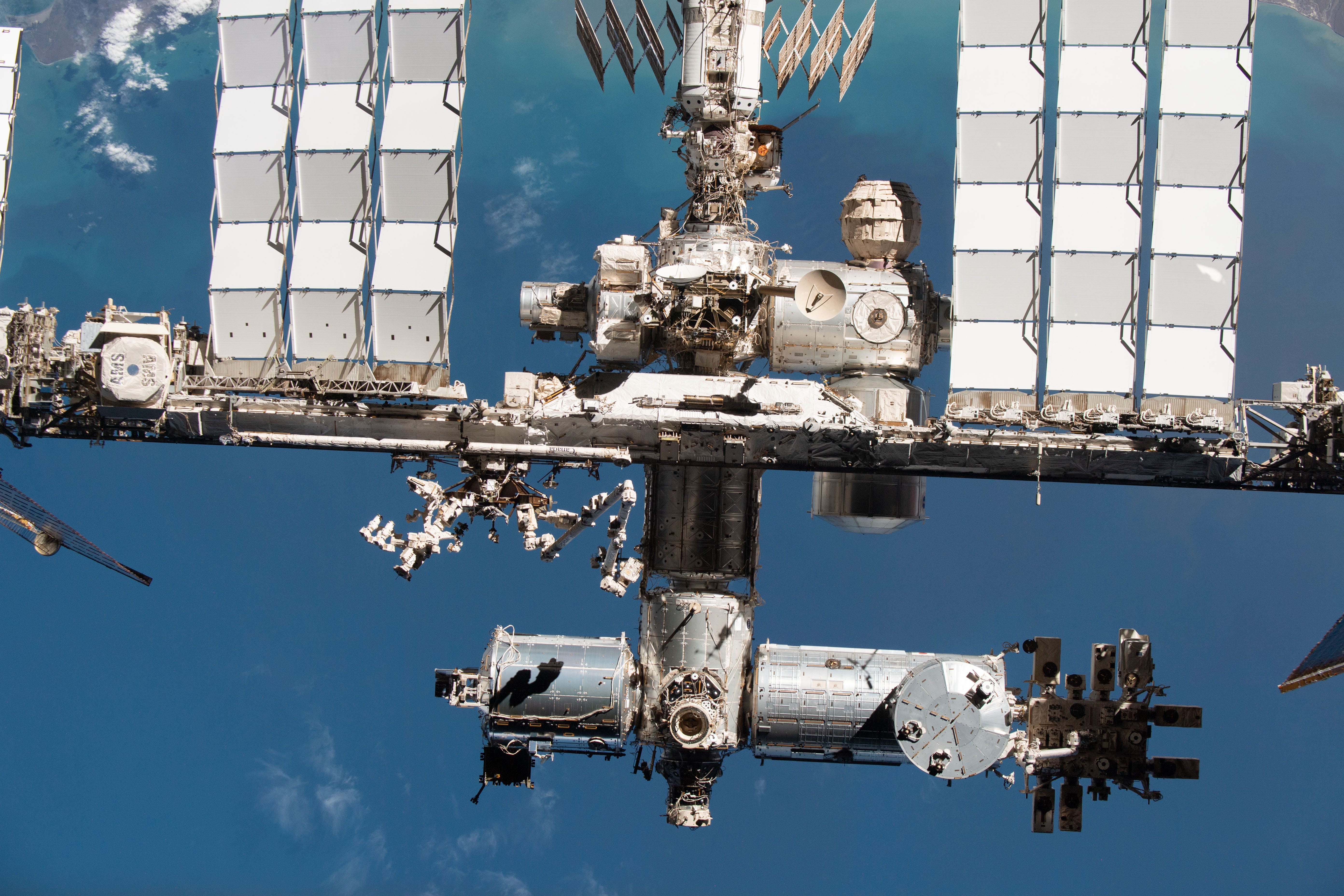
Since that pioneering mission, more than 290 people from 26 countries have lived and worked aboard the orbiting laboratory. The station, now comparable in size to a football field with eight miles of electrical wiring and an acre of solar panels, has evolved into the largest structure ever assembled in space.
Scientific achievements transform medicine and technology
The station’s unique microgravity environment has enabled discoveries impossible to replicate on Earth. To date, more than 4,000 investigations have been conducted, resulting in over 4,400 research publications, with 361 articles published in 2024 alone.
“It has given them the ability to concentrate the actual infusion into a shot in the body instead of a long, long process of intravenous feeding, through a fluid. It can be done so much quicker, so much more direct and more effective in the administration of that drug.”
— NASA Administrator Bill Nelson, describing microgravity’s impact on cancer drug development
In 2019, NASA astronauts successfully used CRISPR/Cas9 technology to edit DNA in space for the first time, completing the entire sample-to-sequence process aboard the station—a breakthrough that could help develop countermeasures for radiation damage during deep space travel.
Preparing for Mars
The station has achieved a 98 percent water recovery rate from recycled urine and sweat, meeting the threshold NASA estimates is necessary for human missions to Mars. The water recovery system captures and recycles nearly all forms of water used or generated aboard the station, purifying it into drinkable water that exceeds many Earth-based drinking water standards.
NASA is also using the station as a proving ground for lunar and Mars exploration, testing technologies ranging from robotic surgeons to 3D printing tools with recycled materials. Astronauts have grown more than 50 plant species in orbit, advancing knowledge critical for sustaining crews on long-duration missions.
Fundamental physics and Earth observation
Beyond medical research, the station has advanced humanity’s understanding of the universe. Studies of the fifth state of matter, the Bose-Einstein condensate, first produced aboard the station in 2018, have appeared in more than 700 publications examining black holes and cosmic phenomena.
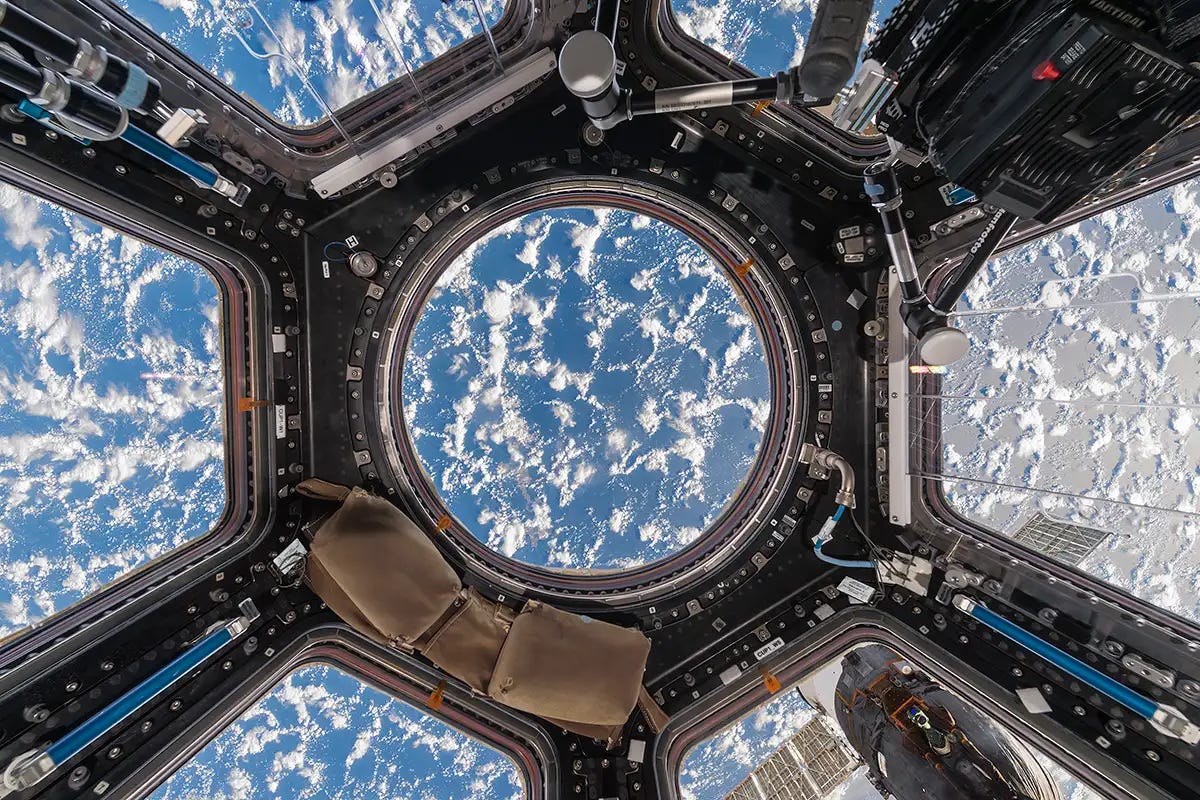
Photographs taken from the station’s cupola have supported emergency response to natural disasters worldwide, while instruments aboard continuously monitor Earth’s resources and space weather.
Looking beyond 2030
As the ISS approaches its planned decommissioning around 2030, NASA has invested over $400 million in commercial space station development to ensure a seamless transition. SpaceX has been awarded an $843 million contract to guide the station through its final descent, with the structure expected to be deorbited into a remote area of the South Pacific Ocean known as Point Nemo in January 2031.
The ISS National Laboratory, managed by CASIS, has sponsored more than 900 payloads since 2011 and attracted over $80 million in non-NASA funding to support research projects. With more than 100 ISS National Lab-sponsored projects awaiting future flight, demand for the unique research platform continues to outpace supply.
“Twenty-five years of continuous human presence on the International Space Station is a monumental achievement not only for the space community but for all of humanity, as we see what’s possible when we collectively work toward a common goal.”
— Ray Lugo, CEO of CASIS
Despite geopolitical tensions on Earth—including the ongoing conflict in Ukraine—the partnership in space has endured. Bill Shepherd, now serving on a space station advisory committee alongside Krikalev, observed that “person to person, and even agency to agency, relations are actually quite positive.”
The station remains operational with seven crew members currently aboard, representing the United States, Russia, and Japan. As humanity contemplates its next steps in space exploration—including NASA’s Artemis program to return astronauts to the Moon and eventual missions to Mars—the ISS stands as a testament to what international cooperation can achieve.
“It’s like a four-star hotel now,” Shepherd remarked, reflecting on how far the station has come from its humble beginnings. With five years remaining in its operational life, the International Space Station continues to push the boundaries of human knowledge while preparing the next generation for ventures deeper into the cosmos.